Great Impact

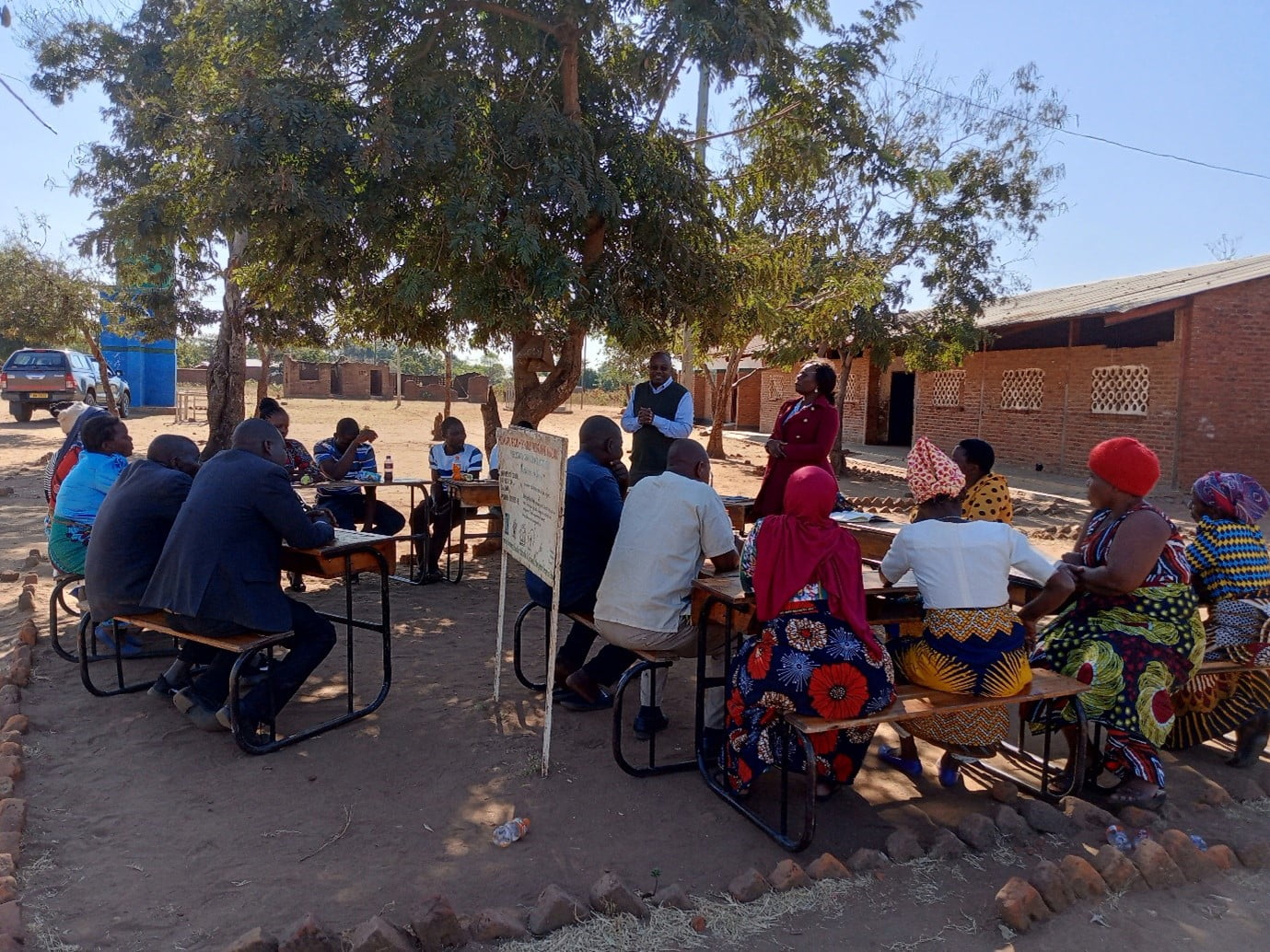
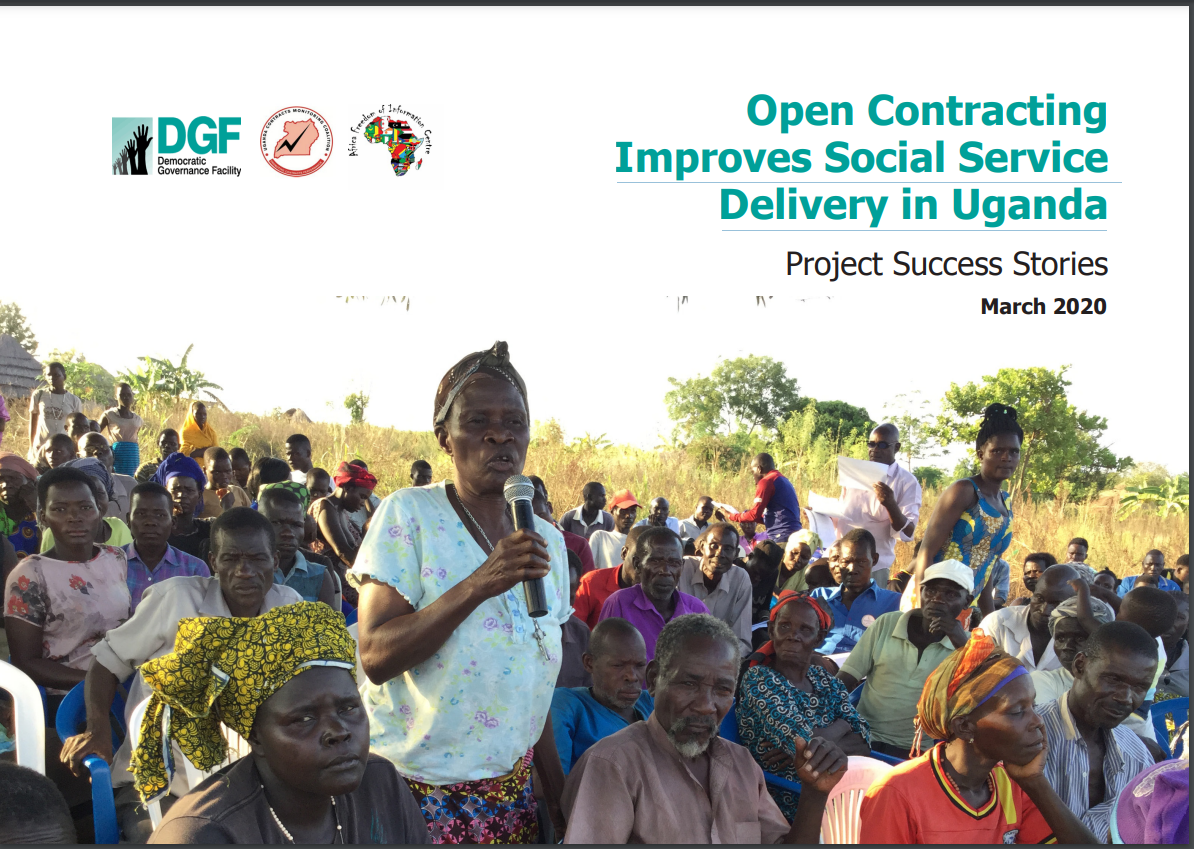
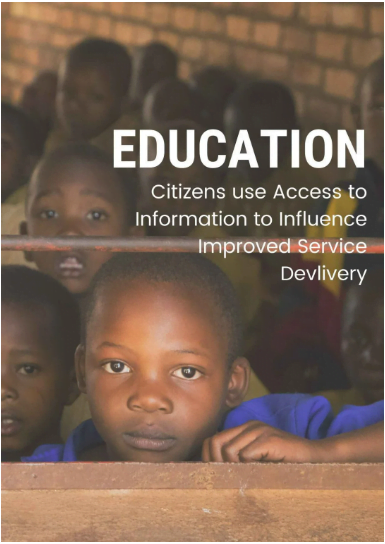
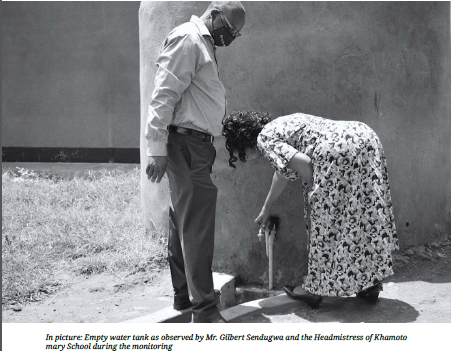
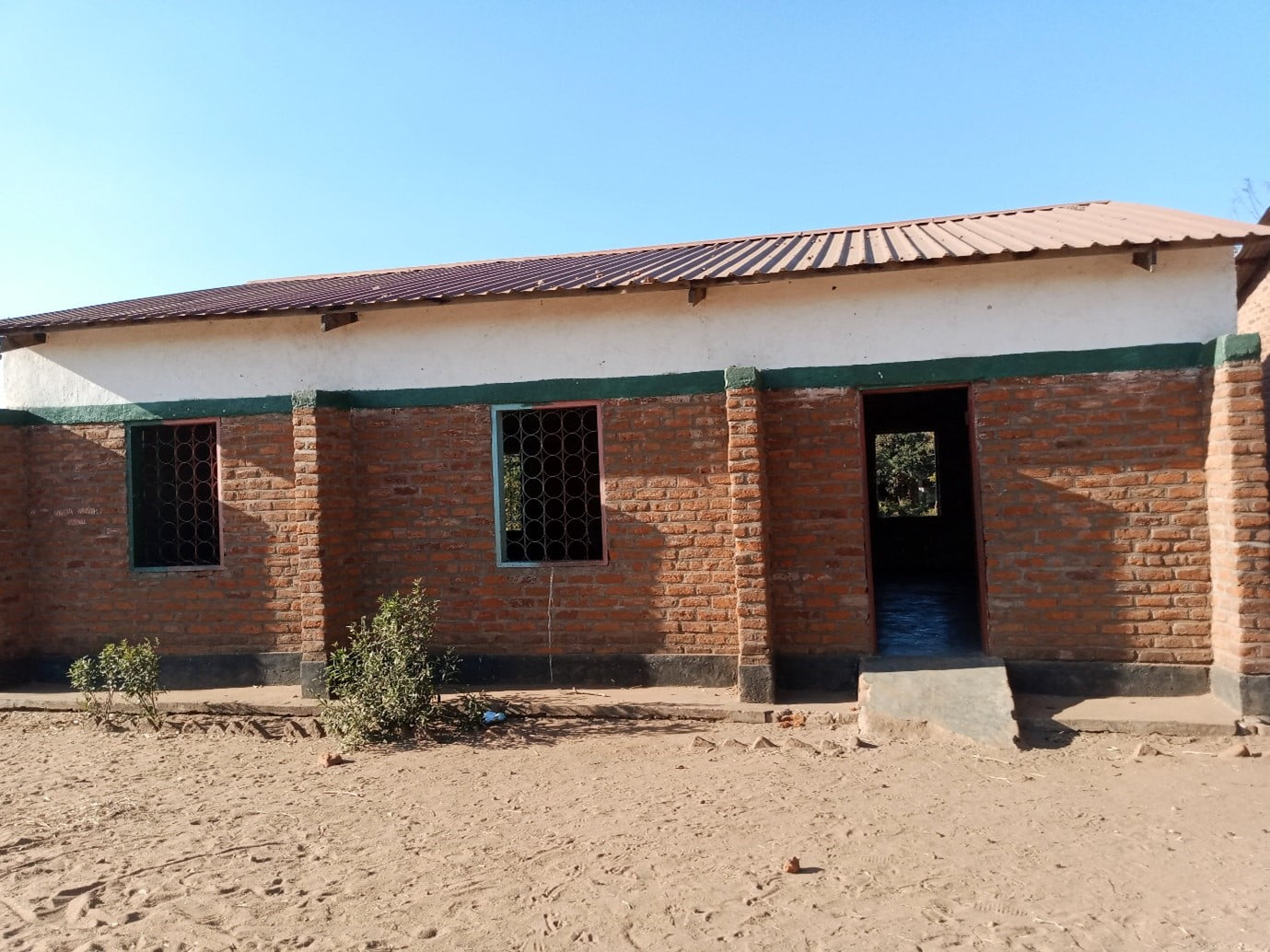
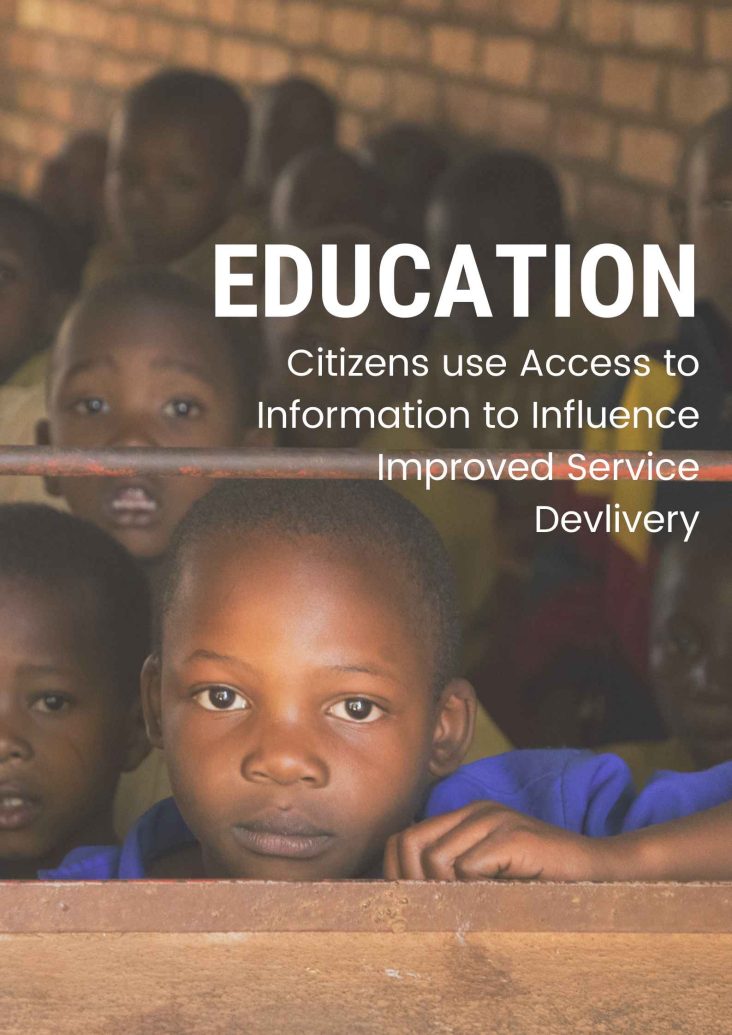
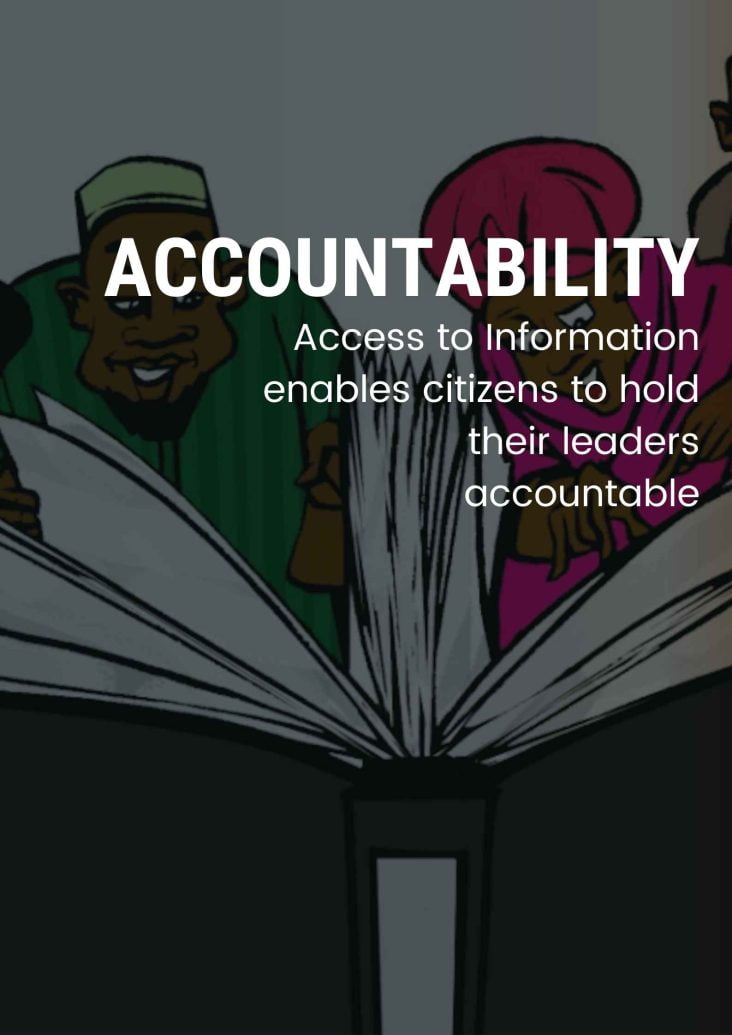
Through our advocacy work, citizens have embraced their right of access to information, and used the information to ask the important questions to the government. Same information has been used to monitor projects in sectors of health, water and sanitation, education among others. Stories of success in Ghana, Malawi, Kenya, Uganda and Nigeria illustrate improved service delivery in these specific sectors
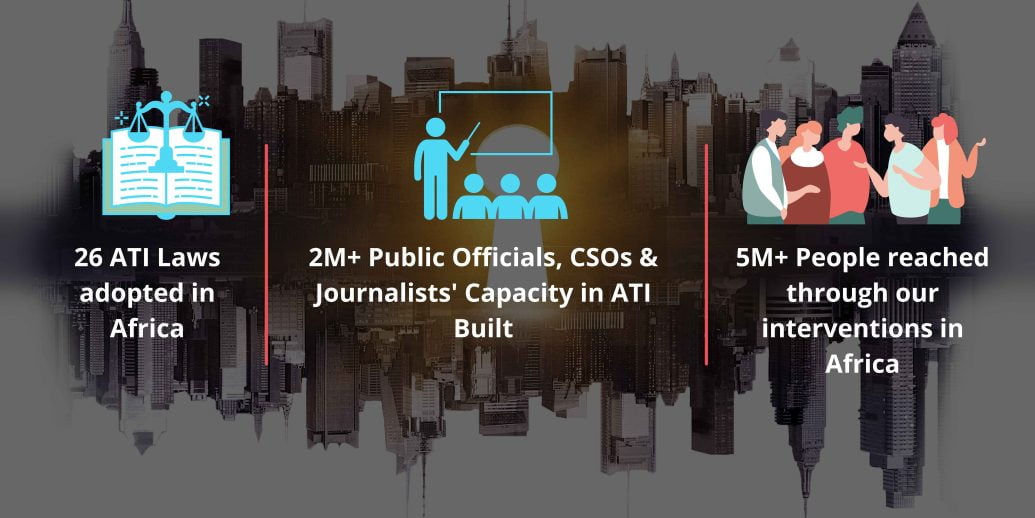
27 Countries adopt ATI laws
0 +

AFIC has supported and collaborated with partners on campaigns that have increased the number of countries with ATI laws: from 5 countries in 2009 to 29 in 2024. Our strategies have included: shadow reporting to treaty bodies like the Human Rights Council and the ACHPR; analysis of draft bills and providing feedback to national legislators; technical assistance to our members and partners at national level; mobilizing OGP commitments on ATI laws; petitions and letter campaigns;

promotional missions; and working collaboratively with the Special Rapporteur on Freedom of Expression and Access to Information in Africa. AFIC has an observer status with the Africa Commission on Human and People’s Rights.

public officials & CSOs trained on ATI
0 +

As part of that work, we developed training manuals for and delivered training to over 2,500,000public officials, civil society representatives, and journalists in Malawi, Kenya, Ghana, Nigeria, and Uganda. In addition, through radio and public meetings created awareness of the right of access to information through which these people were reached. Targeted governments improved implementation, and CSO/journalist demand for public information grew. Significantly, delivery of services improved at community level as a result of disclosure and citizen monitoring of contracts and services.

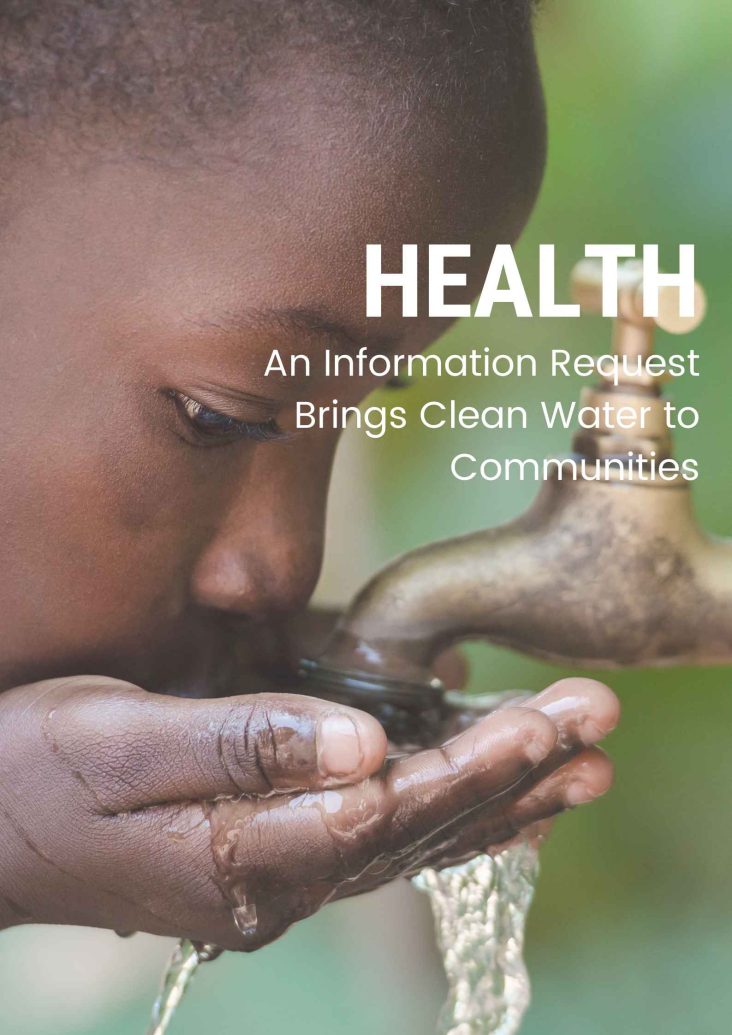
have access to health, water, and education services
0 +

Through our advocacy work, citizens have embraced their right of access to information, and used the information to ask the important questions to the government. Same information has been used to monitor projects in sectors of health, water and sanitation, education among others. Stories of success in Ghana, Malawi, Kenya, Uganda and Nigeria illustrate improved service delivery in these specific sectors.

Over the years

AFIC has been at the center of campaigns for the adoption and implementation of Access to Information laws in Africa. Our main focus has been on supporting our members and partners with campaigns for adoption and influencing the quality ATI laws to be adopted. Since 2010, the number of ATI laws has increased from 5 to 26 to date. In addition to campaigns, through legal analysis and feedback on draft ATI Bills we have been able to significantly enhance the quality of AI laws on the continent. Reflecting on international standards and best practices, we successfully collaborated with the African Commission on Human and People’s Rights to adopt a Model Law on access to information for African countries. We have applied this model law in analyzing adoption and influencing the quality of legislation. Through shadow reporting, direct advocacy engagements, petitions, and meetings, we secured commitments, resolutions, and decisions in favor of ATI. Key among these is the United Nations General Assembly and UNESCO General Conference Resolutions Proclaiming September 28th as the International Day for Universal Access to Information. Public contracting is important for everyone yet lack of transparency and accountability conitues to undermine value for money and fair business practices. Through promoting open contacting, we promote disclosure of procurement, citizen participation and continous  feedback by authorities to be the norm- Open Contracting. Our members and AFIC Secretariat have influenced publication of procurement on the Government Procurement Portal in Uganda and the Nigeria Open Contracting Portal (NOCOPO) in Nigeria. We have worked with public procurement authorities to map disclosure levels and support them in publishing data in Open Contracting Data Standard (OCDS) formats to enable monitoring. We have also trained public officials in disclosure and citizens in contract monitoring.  Report findings have been shared with key accountability agencies to inform the improvement of disclosure by public agencies. This work has shined a light on corruption and waste, enabling governments to fix problems. Through our work, we have shown how marginalized groups, who face difficulties accessing social services and enforcing rights, are also disproportionately disadvantaged in accessing public information. This is because of isolation and low social status, exacerbated by decision-makers’ poor understanding and awareness of those challenges. This knowledge has helped create a greater understanding of the need for inclusive programming.

As economies recover from the COVID-19 pandemic, access to information is going to be critical to #buildingbackbetter; businesses will need the information to make timely decisions, governments will need the information to adopt policies while citizens will need the information to take part in government programs to hold governments and leaders to account for their actions.

We invite you to read more about our impact in the case studies and impact stories on our website. 

Our Stories

We gauge our success in actual lives have changed. These stories demonstrate the impact that communities can have when they band together to effect long-term change.

Get In Touch

A right of access to information.

Stories of success in Ghana, Malawi, Kenya, Uganda and Nigeria illustrate improved service delivery in these specific Sectors

Service satisfaction in the globaly

Message Us