


Public procurement: Imagine being a talented entrepreneur, eager to grow your business and provide for your loved ones. But, despite your hard work, you’re constantly faced with barriers that prevent you from accessing the opportunities you deserve.
For women-led businesses in Uganda, this was the harsh reality. Despite the government’s significant spending on public procurement, women were woefully underrepresented, securing only 1% of contracts according to AFIC’s 2021/2022 research. It was as if the playing field was tilted against them.
But, in 2021, a glimmer of hope emerged. The PPDA Act was amended to provide for reservation of contracts for special groups- women, youth and PWDs. In 2024, Government issued regulations where 15% percent of the procurement budget of every government institution has to go to companies owned by women, youth and pwds. The Guidelines also require that contracts below UGX 30 million in central government agencies and 10 million in local governments go to special groups.
The Africa Freedom of Information Centre (AFIC) saw this as a game-changer. Understanding that without further action, the policy would remain without significant impact on the intended beneficiaries, working with the Public Procurement and Disposal of Assets (PPDA), AFIC initiated capacity-building sessions to empower women-led businesses to tap into this new opportunity. One of the women who attended these sessions was Brenda Ssekabembe Nakalema, the CEO of Bake for Me bakery.
Brenda’s story is one of transformation. With the skills and knowledge she gained from the training, she began to win contract after contract. Her business flourished, and she is able to provide more for her loved ones.
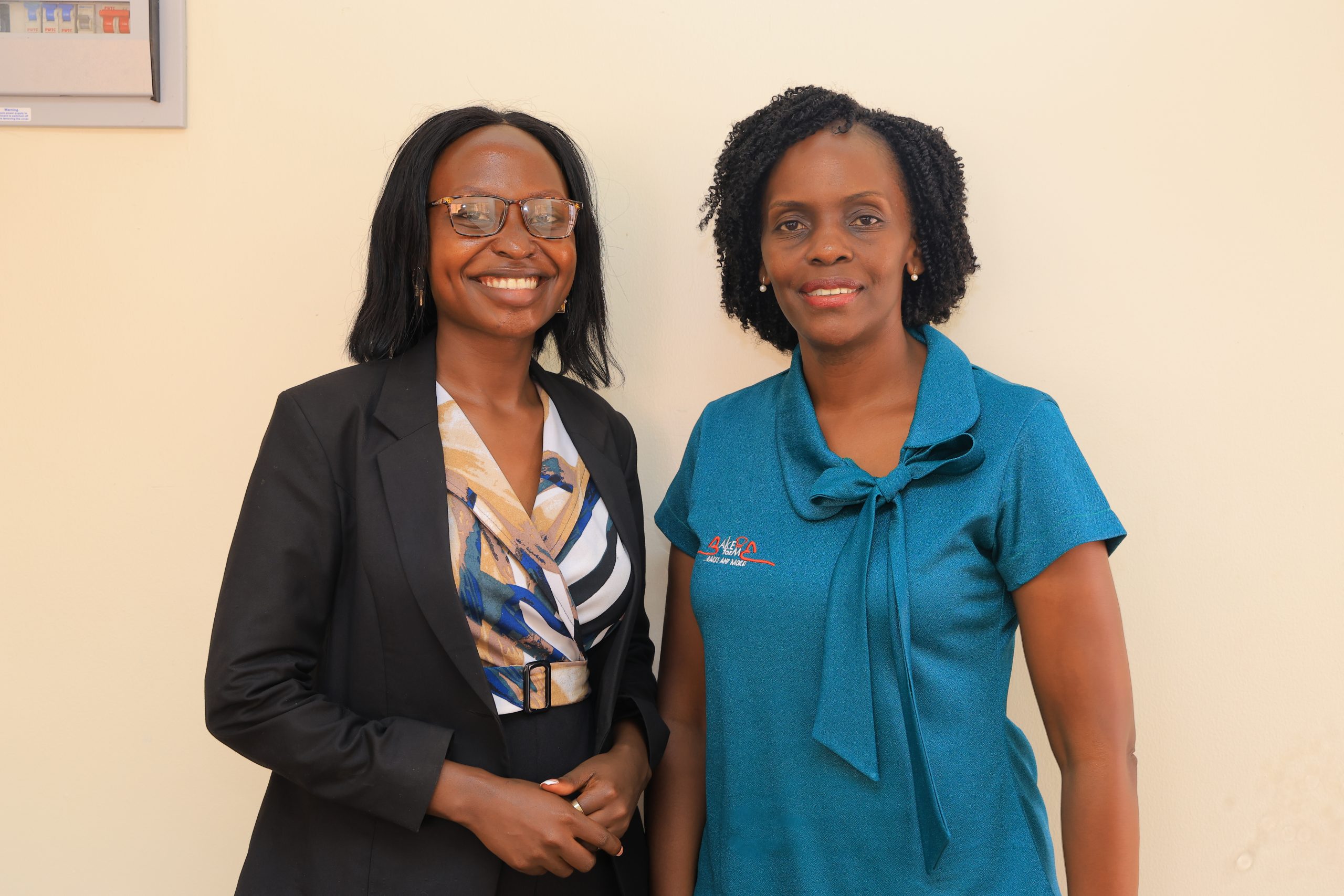
AFIC’s communication and advocacy lead caught up with Brenda on 19th February 2025 at her Bakery to hear her inspiring story firsthand. We wanted to know how participating in public procurement had changed her life and business and what role the capacity-building sessions had played in her success.
Below we share Brenda’s remarkable journey. Discover how, with the right support and opportunities, women-led businesses can thrive and reach new heights.
Public procurement Journey: From baking at home to winning government contracts, Brenda shares her journey and advice for women entrepreneurs
Q: Can you tell us a bit about yourself and your business?
A: My name is Brenda Sekabembe Nakalema. I’m a wife, a mother of three, and the founder of Bake for me, a bakery business I started 20 years ago. Bake for Me was officially registered in 2004, but it began accidentally in 2003 while I was at university when someone asked me to bake them a cake. I realized I could turn this skill into a business, and here we are today.
Q: What challenges do you face as a woman in business?
A: Doing business as a woman in Uganda can be challenging, especially if you’re in a male-dominated field. For me, baking is female-dominated, but that doesn’t mean it’s easy. You still have to work hard to find clients and improve your skills every day. The bigger challenges are social. Pregnancy, for instance, can disrupt your business plans. There’s also the issue of societal expectations. Some husbands refuse to let their wives use marital property as collateral for loans, even if the woman contributed more to acquiring it. This limits our ability to access better financial opportunities.
Q: When did you start your journey into public procurement, and what encouraged you to take that step?
A: I started my journey into public procurement after attending the training that I was invited to by the Uganda Women Entrepreneurs Association (UWEAL), I think last year (2024) in April at PPDA. The training was organized by the Africa Freedom of Information Centre (AFIC) and Public Procurement and Disposal of Assets. Before that, I didn’t know much about how to access government contracts.
The training was a turning point because I learned about the 15% policy, which reserves a portion of government contracts for women, youth, and other special groups. I also learned about the Electronic Government Procurement (eGP) system and how registering on it could help my business. This knowledge encouraged me to take the leap. I registered on the eGP platform, and soon after, I started receiving requests for quotations from government entities I had never worked with before.
Q: What inspired you to attend the training organized by AFIC and PPDA?
A: I always try to attend trainings whenever I have time because you never know what you might learn. When I heard about this one, I registered immediately. I wanted to understand how I could participate in public procurement and win government contracts.
Q: What did you learn from the training?
A: The training was eye-opening. I used to think the government only worked with a few preferred suppliers, but I learned that they’re intentionally creating opportunities for women and other special groups. I also discovered that only one percent of government business goes to women, which was painful but motivating.
The training also taught me about the PPDA’s role in holding government entities accountable. If I face challenges, I can report them and get feedback on what went wrong. This knowledge gave me the confidence to register on the PPDA eGP portal and start bidding for contracts.
(The PPDA EGP Portal is an electronic government procurement (EGP) platform for Uganda, managed by the Public Procurement and Disposal of Public Assets Authority (PPDA). It assists in electronic tendering and bidding, electronic contract management and supplier registration and management)
Q: How did registering on the PPDA portal change your business?
A: It was a game-changer. After registering, I started receiving requests for quotations from entities I had never worked with before. Some of the clients I’ve since supplied include Uganda Electricity Transmission Company Limited (UETCL), Uganda Revenue Authority (URA), Bank of Uganda, and National Water and Sewerage Corporation.
Q: What role does compliance play in securing government contracts?
A: Compliance is absolutely critical. You can’t even bid for government contracts if your business isn’t compliant. My business meets all statutory obligations, including registration with the Uganda Registration Services Bureau (URSB), tax clearance certificates, and trading licenses.
The more compliant you are, the easier it becomes to do business. For example, having annual returns and tax clearance certificates shows that you’re in good standing with the Uganda Revenue Authority (URA). This builds trust with both private and government entities.
Compliance also opens doors to opportunities you might not have considered. Initially, my goal was to become compliant enough to bid for private organizations, but in the process, I realized I could also bid for government contracts. Some government agencies even reached out to me directly because they didn’t have registered suppliers for certain products.
Q: How do you manage the tiring documentation process for bidding and business registration?
A: I don’t try to do everything myself. I have a team that handles the documentation process. For example, if I have to do a bid online, my team does it. We ensure all the documents are ready, go through the form, and confirm everything is in order before submitting.
I’ve learned that you can’t be a one-woman show. You need people you trust to represent you. If I’m on holiday and a bid comes up, my team can handle it. I also have someone on the accounts team who applies for tax clearance certificates, NSSF certificates, and other necessary documents.
Q: What are some of the barriers you face as a woman in business?
A: The African setting still views women as the weaker sex. Even in my home, there are things I can’t do, like reaching high places, so I call my husband. But I believe women can do anything men can do. I admire women who venture into male-dominated fields like welding or plumbing, though they face more challenges.
Pregnancy is another barrier. It affects your business goals and limits your ability to travel for work. Some husbands also feel neglected if their wives are too busy with work, which can strain marriages.
Religious teachings and cultural norms also play a role. The Bible teaches that women should be submissive, which influences how society views us. Even when a woman owns property, she often consults her husband before making decisions. This can limit our ability to grow our businesses.
Q: Have you faced issues like sexual advances or corruption in your business journey?
A: Unfortunately, yes. Sexual advances and corruption are real barriers for women in business. Some men expect favors in exchange for opportunities, and it’s disheartening. Corruption like bribery also makes it harder to compete fairly.
I’ve learned to navigate these challenges by staying firm and focusing on building a reputable business. Compliance and transparency have been my shields against such practices.
Q: How do you balance being a business leader and a married woman?
A: It’s not easy, but communication and teamwork are key. My husband and I support each other. I’m lucky he understands my passion for business, but I’ve seen other women struggle because their husbands feel neglected.
I also plan my business goals around my family responsibilities. For example, I consider pregnancy when making long-term plans. It’s about finding a balance and ensuring that neither my family nor my business suffers.
Q: What advice do you have for women entrepreneurs?
A: Don’t try to do everything yourself. Build a team and delegate tasks. For example, I don’t handle bidding myself; my team does it. Also, take advantage of government initiatives. The government is being intentional about including women in public procurement, so it’s high time we stood up and claimed our share of the national cake.
Q: What more can be done to support women entrepreneurs?
A: We need more handholding, especially for first-timers. Let someone guide us through the process once or twice, and after that, we should be able to do it on our own. It would also help if the government sent opportunities directly to our inboxes. Many women miss out because they don’t see the announcements.
Q: What’s next for you and Bake for me?
A: I’m looking out for more opportunities on the PPDA platform. I want to grow my business and continue supplying government entities. My goal is to inspire other women to take advantage of these opportunities and transform their lives.
As Brenda says, “We pay taxes; why shouldn’t we enjoy government business? Public procurement is one of the most significant ways citizens can benefit from government spending. It’s about transparency, accountability, and fairness in the way government buys goods, works, and services. Public procurement is about ensuring that taxpayer money is used efficiently and effectively to deliver essential public services and infrastructure. It’s about creating opportunities for local businesses, entrepreneurs, and innovators to grow and thrive.
Women, in particular, should leverage the 15% reservation policy. It provides a unique opportunity for women entrepreneurs to access government markets like Brenda. To read more about what public procurement is, click here.
We acknowledge the support of IDRC, Open Contracting Partnership, and Hewlett Foundation towards this initiative.
