


LOW PARTICIPATION OF WOMEN OWNED BUSINESSES IN PUBLIC PROCUREMENT ATTRIBUTED TO INFORMATION GAP – BASELINE REPORT
Public Procurement and Disposal of Public Assets Authority (PPDA) in collaboration with the Africa Freedom of Information Centre (AFIC) with support from Open Contracting Partnership (OCP) conducted a baseline study that delved into participation of Women Owned Businesses (WOBs) in public procurement. This was done among four pilot entities that is two Procurement and […]
Read More
AFIC/PPDA engage media to advocate for inclusive procurement
As part of the advocacy campaign for inclusion of women owned businesses in public procurement, Africa Freedom of Information Centre (AFIC) in collaboration with The Public Procurement and Disposal of Public Assets Authority (PPDA) have engaged the media through traditional and digital media. Since 2023 October, AFIC and PPDA have been implementing a project funded […]
Read More
AFIC- GROW Project Impact On Women Inclusion In Public Procurement
The collaboration between the AFIC and TISA through Growth and Economic Opportunities for Women (GROW) under the project “Fostering Gender-Responsive Public Procurement: Understanding the Barriers and Solutions to Include Women-Led Businesses in Public Procurement in East Africa” continues to play a pivotal role in influencing policy changes at both the national and county government levels […]
Read More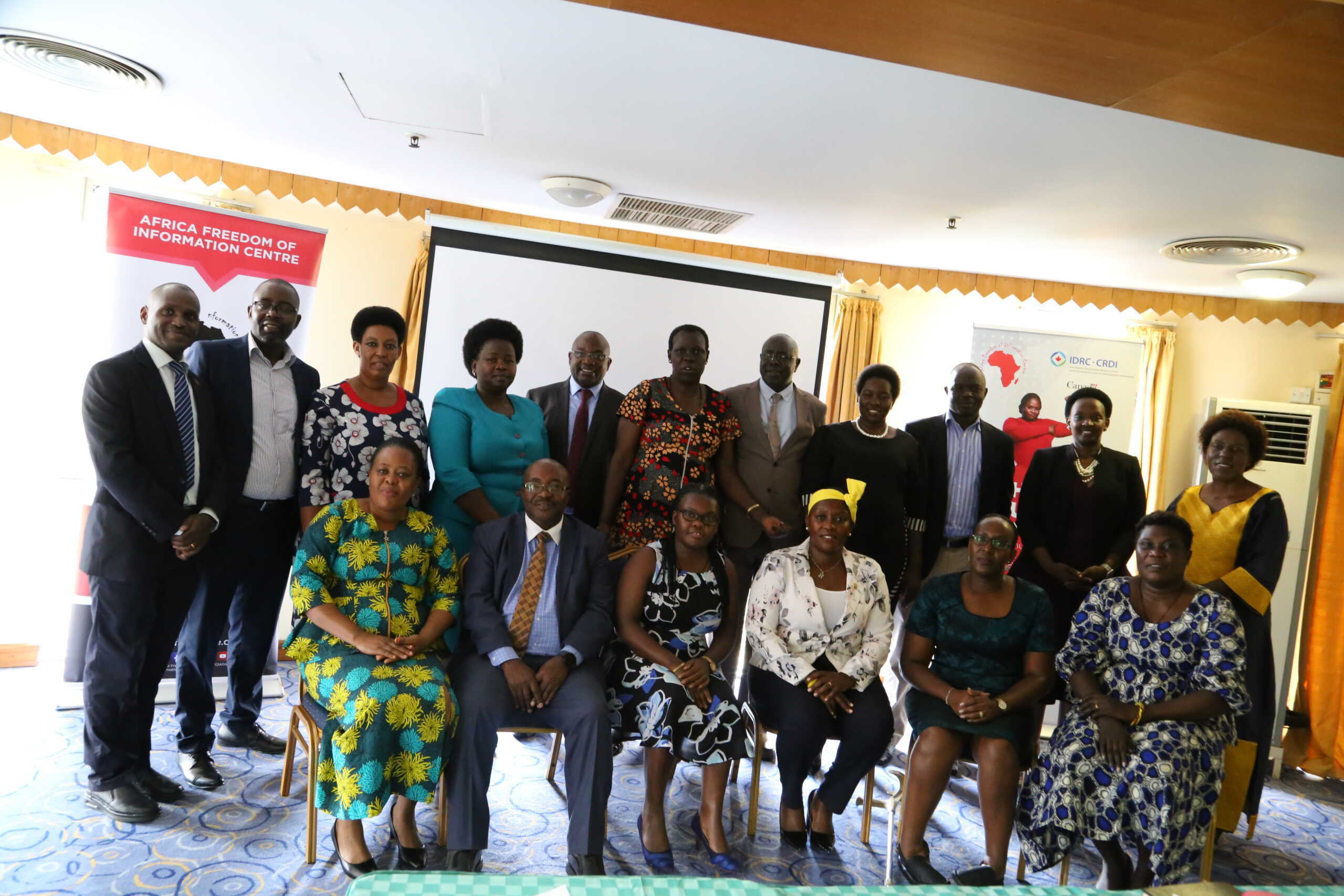
MPs champion advocacy for Gender-Responsive Public Procurement
Members of Parliament have taken to the floor to call government’s attention to gender- responsive public procurement in Uganda. Hon. Shartsi Musherure, MP for Mawogola North in Sembabule championed the advocacy and passionately asked the Minister of Finance to share with Parliament why the regulations for reservation for special groups in public procurement are not in […]
Read More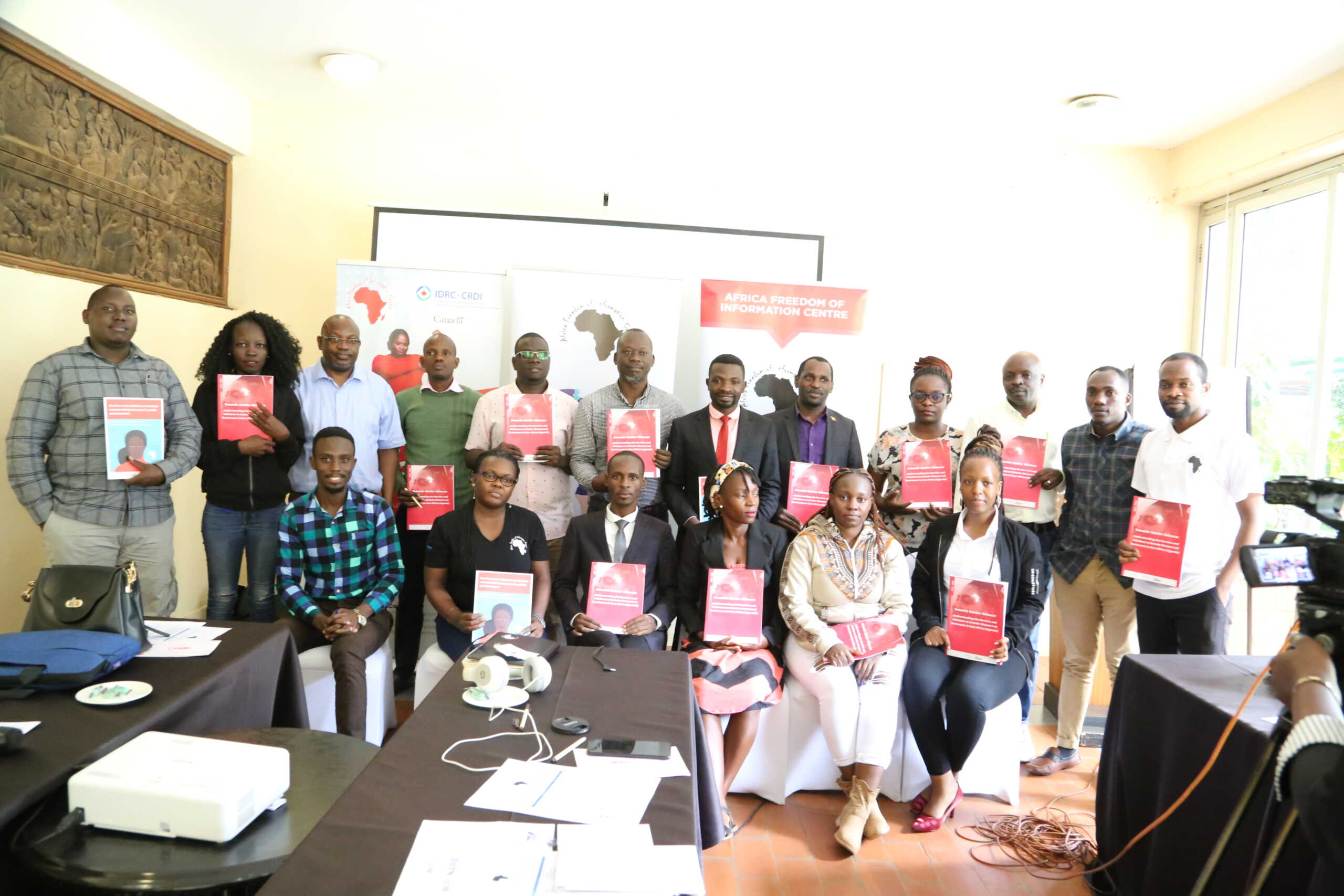
AFIC and Media unite to advocate for Gender-responsive public procurement in Uganda
In a bid to promote gender responsive public Procurement in Uganda, the Africa Freedom of Information Centre (AFIC) hosted a media roundtable discussion on June 30th, 2023, at the Golf Course Hotel in Kampala. This engaging event brought together journalists, editors, reporters, and social media influencers to shed light on the barriers faced by women-led […]
Read More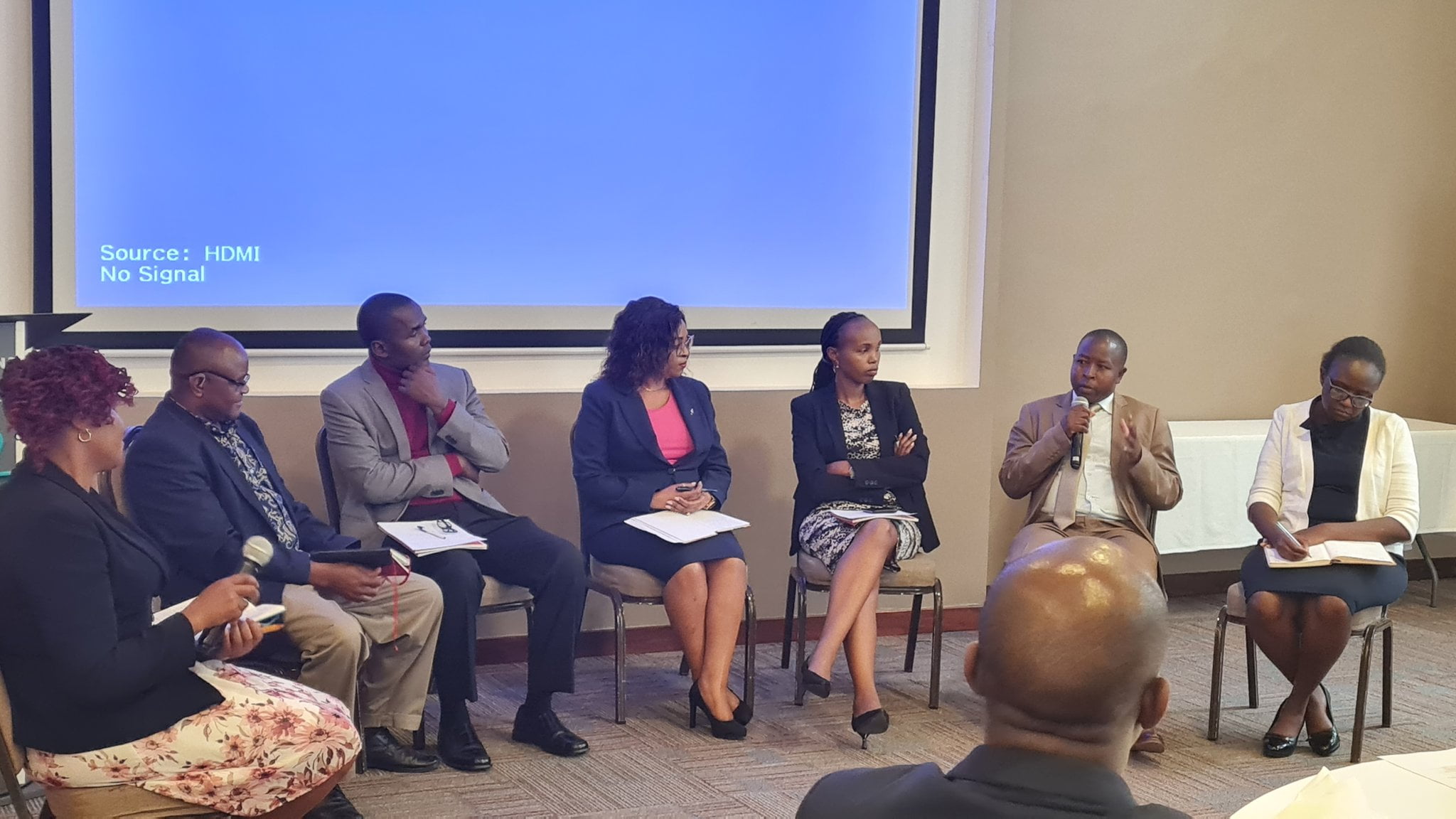
AFIC in Kenya: Media Vows to Report Cases of Injustice Surrounding the Access to Government Procurement Oportunities (AGPO)
The journalists in Kenya have vowed to expose all cases of misery, citizens face during their attempt to participate in the Access Government Procurement Opportunities (AGPO). This followed a media round table discussion organized by Africa Freedom of Information Centre in collaboration with AFIC partners in Kenya, The Institute of Social Accountability (TISA) that […]
Read More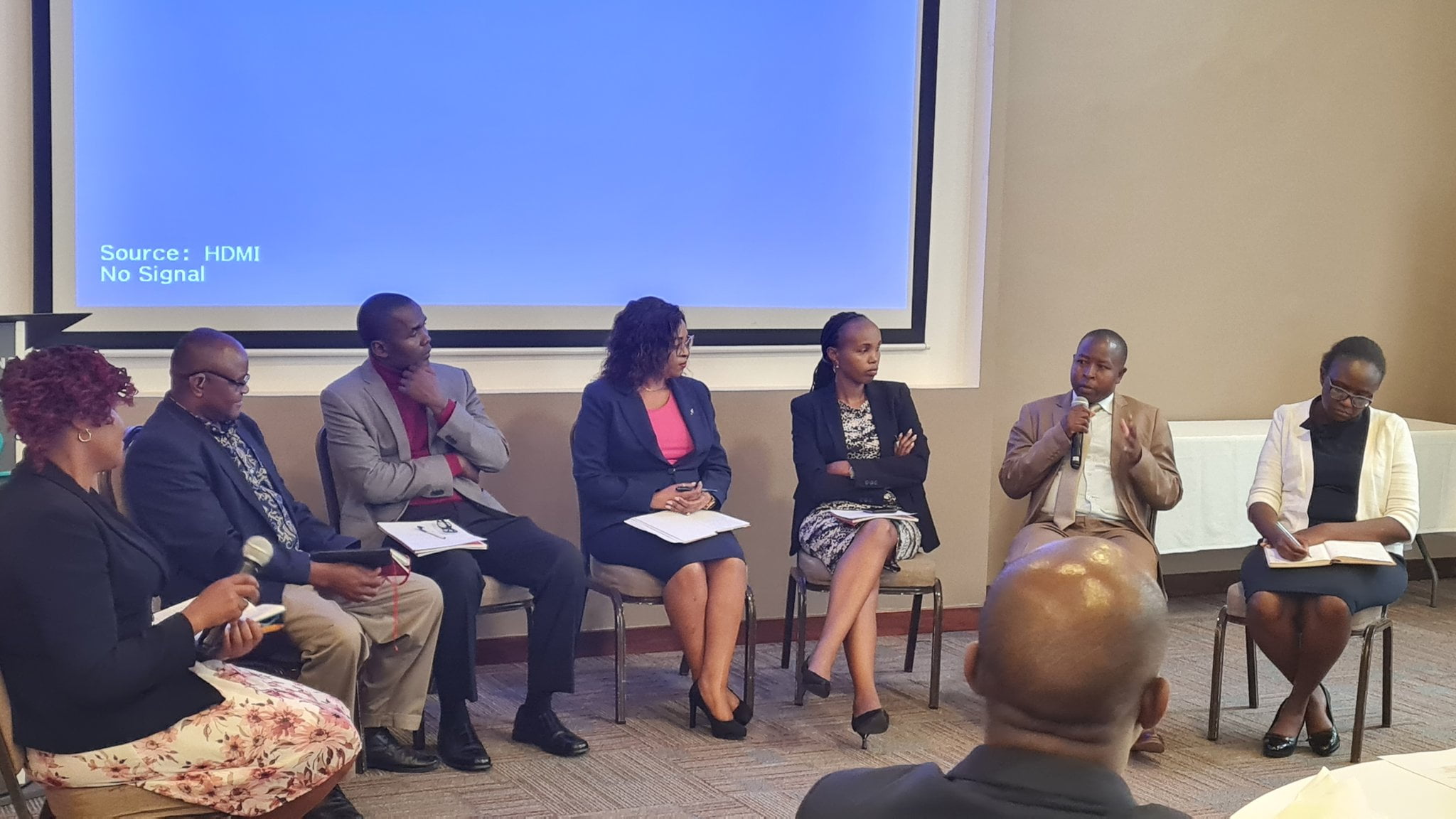
AFIC in Kenya: Women-led Businesses Not Getting Enough Budget Allocation
Despite an increase in the number of women doing business with the government in Kenya, the amount allocated to them under the Access to Government Procurement Opportunities (AGPO) remains low. AGPO is an affirmative action law that requires public entities to apportion at least 30% of procurement budget to businesses owned by women, youth and […]
Read More
AFIC in Tanzania: PPRA announces plans to amend the Law to include Special Interest Groups
The Public Procurement Regulatory Authority (PPRA) has announced plans to amend the law to include special interest groups in public procurement. This announcement was made by Mr. Masunya Nashon, the Manager of Research and Documents during a stakeholder engagement organised by AFIC in collaboration with The Chazo Initiative, at PPRA offices, Dodoma, Tanzania on 15th […]
Read More
Uganda: Less than 1% of women-led businesses are contracted by government
While Uganda has made progressive laws and policies, including increasing women’s participation in public procurement; a done by Africa Freedom of Information (AFIC) in partnership with Open Contracting Partnership and The Institute for Social Accountability in Uganda, reveals that lack of effective implementation undermines otherwise good policy intentions. The study which aimed to identify barriers, […]
Read More