


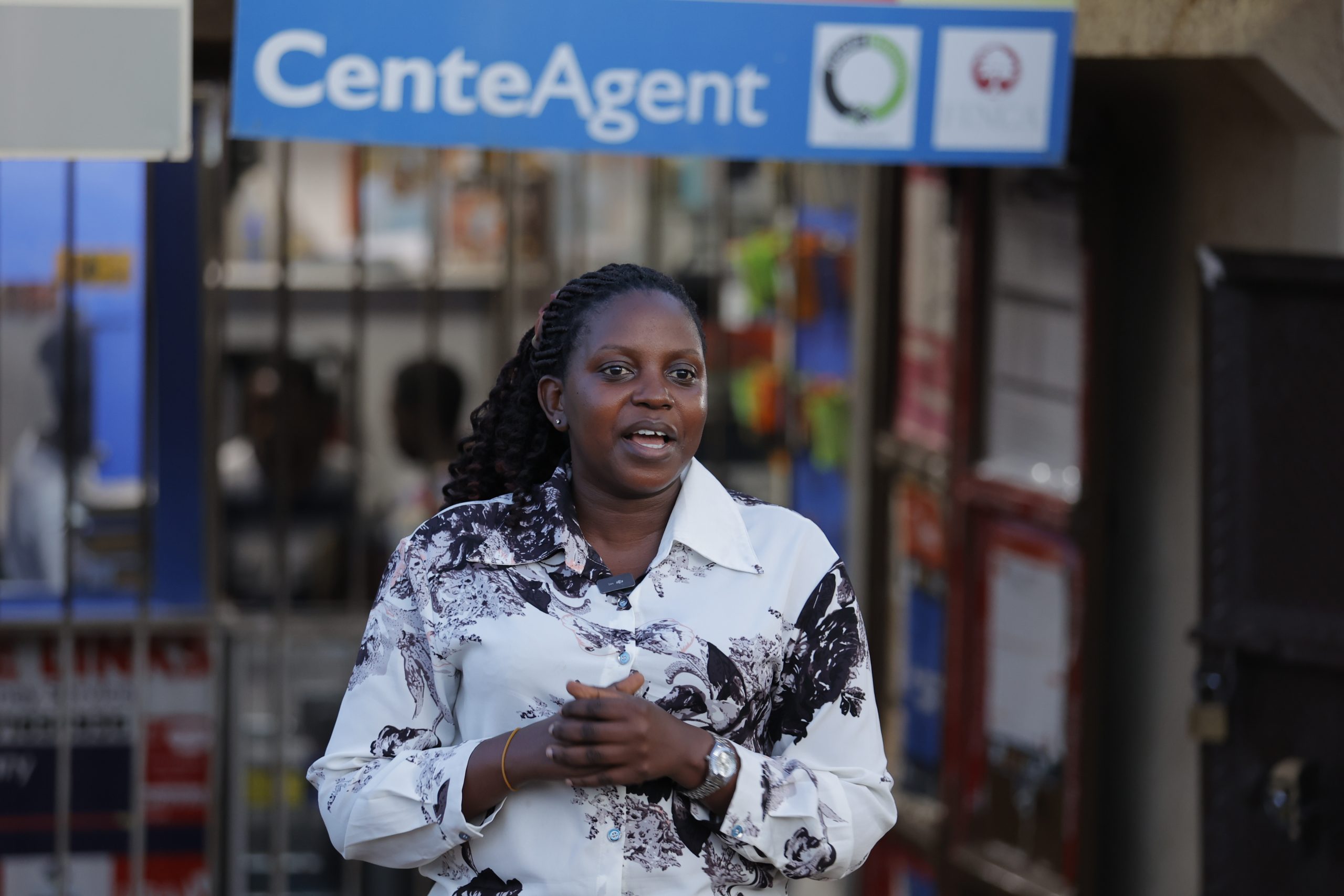
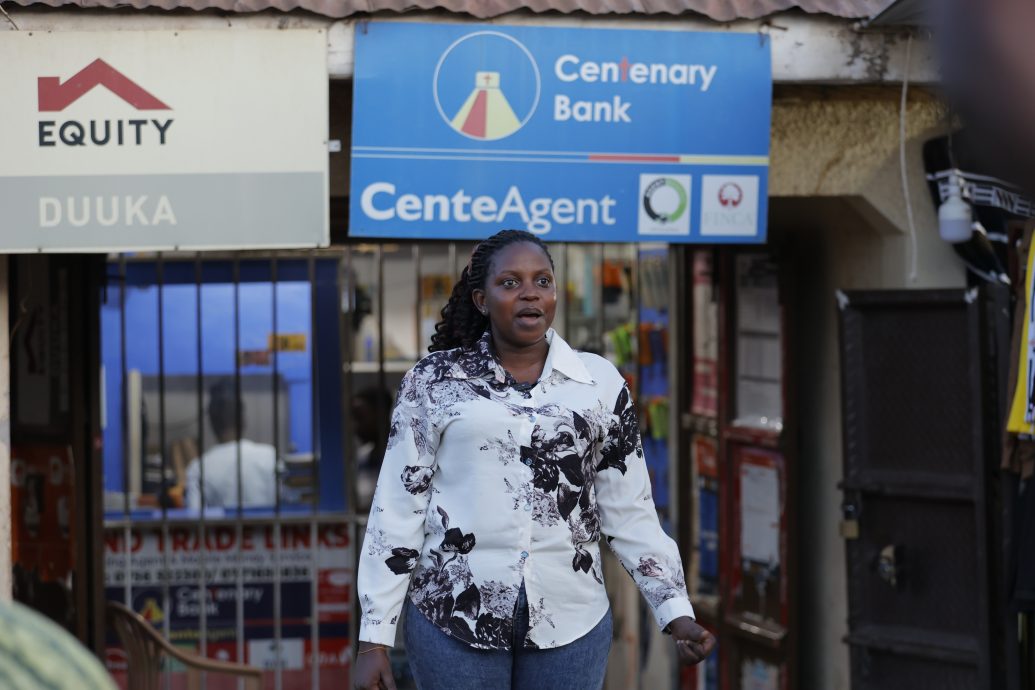
Praise Blender Moreen, founder and CEO of Blend Trade Links Limited, is a dynamic entrepreneur based in Mbarara, Uganda. What began as a modest career in mobile money and agency banking has evolved into a thriving enterprise that now competes successfully in public procurement. Her turning point came after a transformative workshop organized by the Public Procurement and Disposal of Public Assets Authority (PPDA) and the Africa Freedom of Information Centre (AFIC), which inspired her to formalize her business. Since then, Brenda has secured multiple government contracts—including the construction of classrooms and the supply of school furniture across various districts. Her story is a powerful testament to how capacity building can unlock opportunities and advance women’s participation in public procurement.
Our communications team caught up with Praise Blender Moreen in a Q&A interview to assess how capacity-building sessions changed her businesses and her journey into public procurement. (Q & A after the video)
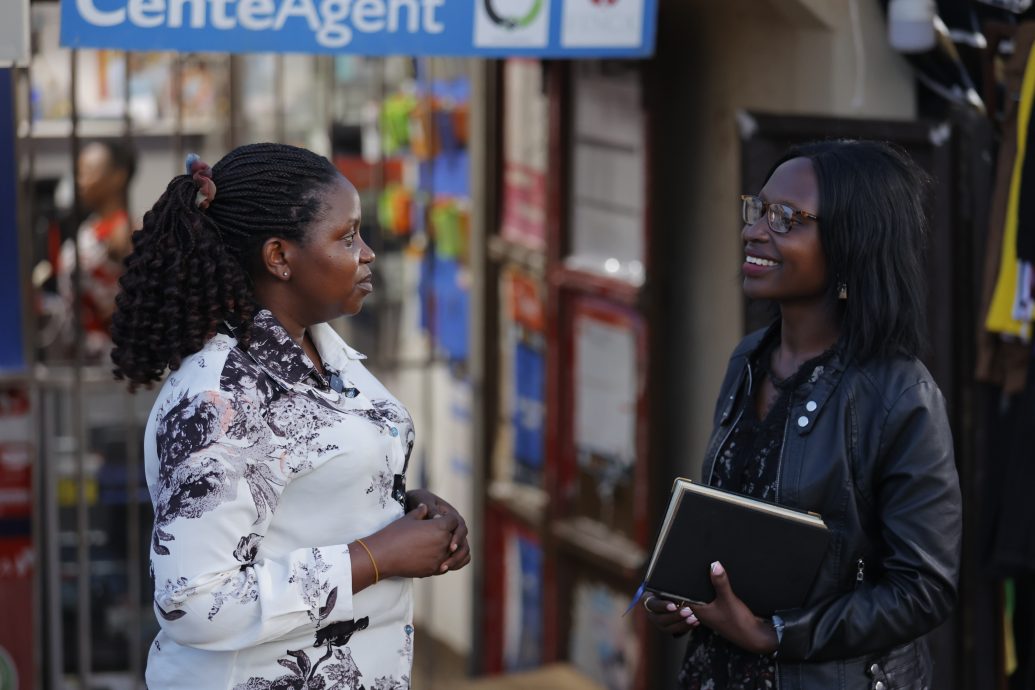
Who is Brenda?
Praise Blender Moreen is my name, and I am the CEO and founder of Blend Trade Links Limited, a company based in Mbarara, Uganda. Our operations are based in Kyizungu, a small village and trading center in Mbarara, where we serve the local community and beyond.
When did you start your business and what motivated you?
Professionally, I am an accountant and started my career in banking after university. However, with the zeal of being self-employed, in 2020, I left the bank. I felt I could start something on my own and grow it to what I wished. I started my business journey in mobile money and agency banking. However, a pivotal moment came last year when I attended a workshop organized by PPDA (Public Procurement and Disposal of Public Assets) and AFIC (Africa Freedom of Information Centre) where I learnt about public procurement and the 15% reservation scheme.
Tell me more about the training.
Although I hadn’t yet registered my business as a company at that time, the workshop helped me realize the importance of formalizing my business. Encouraged by the knowledge I gained, I successfully registered my business as Blend Trade Links Limited.
How did you then start your public procurement journey?
After attending the training last year, I joined various entities, applied for pre-qualifications, and successfully passed the process. I was then invited to participate in bidding, where I won several contracts. This includes the supply of school desks and office furniture, as well as the construction and renovation of classrooms across Mbarara City, Kanungu District, Buhweju District, Kiruhura District, and Ntungamo.
I am deeply grateful to PPDA and AFIC for organizing the workshop, which has been a catalyst for my growth. It has empowered me as a woman in business, giving me the confidence to approach offices and compete for government contracts. I am now in a position where I can make informed bid decisions and successfully compete with larger companies, something that seemed impossible at first.
How has public procurement benefited you?
The journey has been transformative. While I continue to engage in agency banking, I have expanded my operations significantly. Initially, I began supplying small items such as desks and office furniture, but today, I am proud to have signed contracts in construction, something I never imagined I would do. As a woman in business, I have been fortunate to secure contracts for building classrooms across various districts, which has been one of my proudest achievements.
You have made great strides already. What is your greatest motivation on this journey?
It’s been people. My two friends who I have met in Mbarara. They are also own companies. Owomugisha Ashiimu of Racheshi Co. Ltd.
and Eng Ahereza Gilbert of Mugumya Engineering Ltd. has given me great co. Muhwezi JohnBosco, my husband, has also been my key motivator; he encourages me to go higher without any fears. He has had my back always. My father, Twinomuhwezi JohnBosco. He has a high spirit for monitoring administration, which has motivated me to always go higher, especially in growing my business.
What advice would you give to women entrepreneurs?
I want to inspire other women out there who are hesitant or worried about stepping into this space. There are opportunities for women through PPDA. Many of the contracts allocated through public procurement specifically encourage women-owned businesses. Having your company registered gives you a significant advantage, and I urge all women to take courage, join the fight, and apply for these opportunities. These contracts are not just for men; my story is proof that women can thrive in this space too.
I encourage all women who feel unsure about entering this field to take that first step. There is room for us all, and with determination and the right support, you too can succeed in this industry.
What more support do women need?
One of the things I think could further encourage women is for districts to highlight jobs that are specifically allocated to women. This would give women the confidence to apply without fearing competition from larger, more established companies. It’s essential to show women that they can succeed and that there is a space for them to compete, both in contracts designed specifically for women and in those that are open to all.
Background
Despite the government’s significant spending on public procurement, women were woefully underrepresented, securing only 1% of contracts, according to AFIC’s 2021/2022 research. It was as if the playing field was tilted against them. But, in 2021, a glimmer of hope emerged. The PPDA Act was amended to provide for reservation of contracts for special groups, women, youth, and PWDs. In 2024, the government issued regulations where 15% of the procurement budget of every government institution has to go to companies owned by women, youth, and PWDs. The guidelines also require that contracts below UGX 30 million in central government agencies and 10 million in local governments go to special groups.
The Africa Freedom of Information Centre (AFIC) saw this as a game-changer. Understanding that without further action, the policy would remain without significant impact on the intended beneficiaries, working with the Public Procurement and Disposal of Assets (PPDA), AFIC initiated capacity-building sessions to empower women-led businesses to tap into this new opportunity. 215 women-led businesses from four selected entities of Mbarara District Local Government, Wakiso District Local Government, Kampala Capital City Authority (KCCA) and Uganda Electricity Distribution Company Limited (UEDCL). Brenda is one of those women that were trained.
