


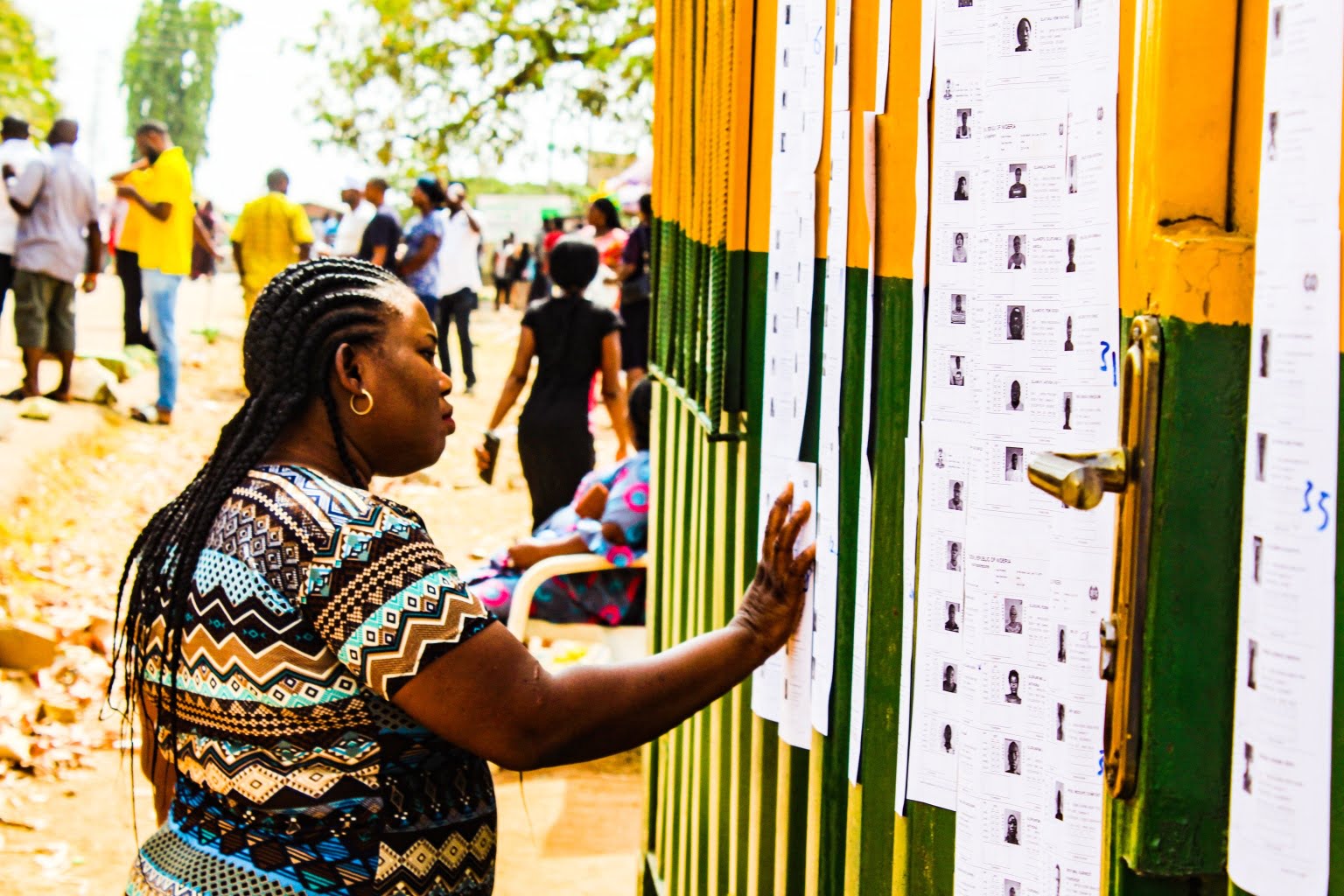
Africa has a busy election calendar in 2024, with 19 countries holding presidential or general elections. These range from contested multiparty to routine electoral exercises. And, two-thirds of these will be in the last quarter of the year.
| Country | Type of Election | Date |
|---|---|---|
| Comoros | Presidential | January 14 |
| Mali | Presidential | February 4 |
| Senegal | Presidential | February 25 |
| South Africa | General | May–August |
| Mauritania | Presidential | June 22 |
| Togo | National Assembly + Regional | March 2024 |
| Burkina Faso | Presidential | July |
| Rwanda | Presidential and Legislative | July 15 |
| Mozambique | Presidential and Legislative | October 9 |
| Botswana | General | October |
| Chad | Presidential and Legislative | October–November |
| Somaliland | Presidential | November 13 |
| Tunisia | Presidential | November 24 |
| Mauritius | General | November 30 |
| Namibia | Presidential | November |
| Ghana | Presidential and Legislative | December 7 |
| Algeria | Presidential | December |
| Guinea-Bissau | Presidential | December |
| Guinea | Presidential and Legislative | December |
More on elections
According to Mo Ibrahim Foundation, countries undergoing elections in Africa in the course of 2024 have a combined population of around 310 million. Of these, 58% – or over 180 million people – will be eligible to vote. Mauritius has the highest percentage of the population eligible to vote (80%). Whereas, in Chad and Mali, less than 50% of the population will be eligible to vote. This is due to the fact that most of the population in the country being under 18.
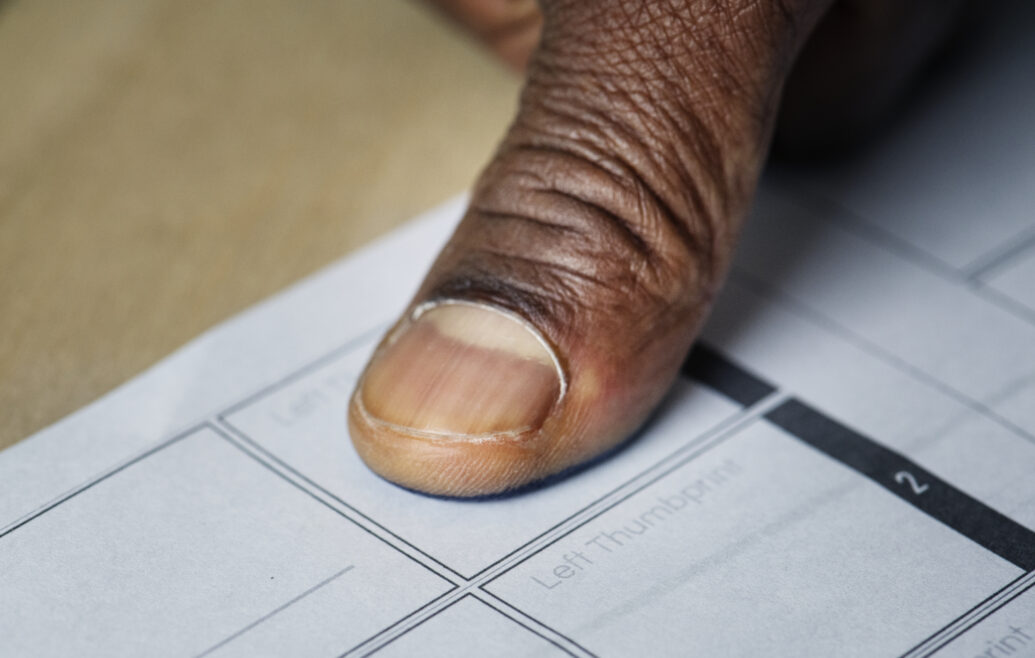
The site adds that ” Despite the combined eligibility being so high, it is unlikely all these will be able to vote, as this is will heavily depend on the ability of people to register to vote. In Africa, approximately 500 million people do not have proof of identity, equivalent to one-third of the population. Of the 180 million eligible voters, if one-third do not have identification, this means that a substantial 60 million could be excluded from the electoral process.”
In the latest round of Afrobarometer surveys, respondents from countries undergoing elections in 2024 expressed their inability to locate their polling station.
While in Mauritius and Ghana over 80% of those surveyed stated they were unable to find their polling station and thus did not vote in their last election.
The Africa Freedom of Information Centre and the Africa Union call on governments and other stakeholders to promote public access to information in elections in Africa.
More on the elections from African Arguments
State of access to information resources
