


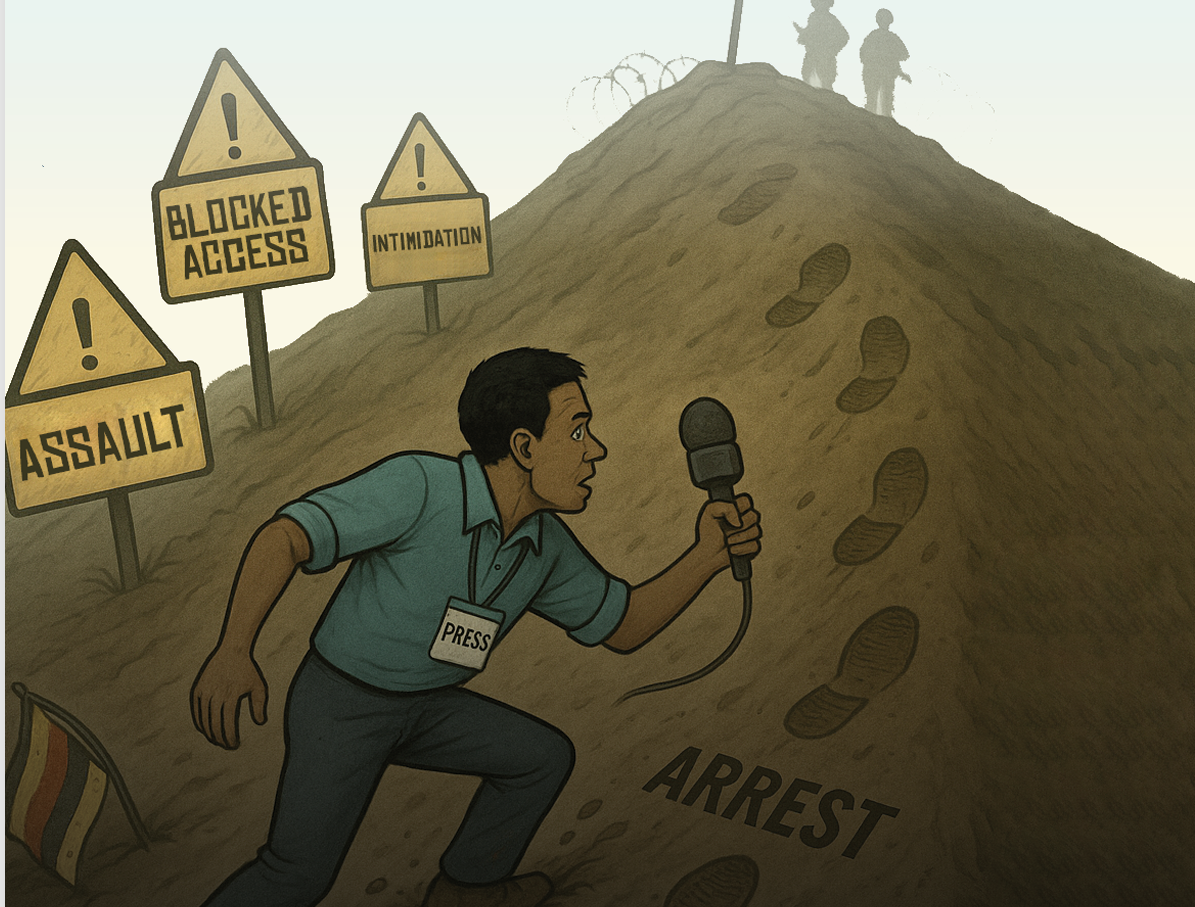
The Human Rights Network for Journalists (HRNJ-Uganda), a proud member of the Africa Freedom of Information Centre (AFIC), has released the 2024 edition of its Press Freedom Index (PFI). Titled “One Step Forward, Two Steps Back: A Slippery Media Landscape,” the report paints a sobering picture of Uganda’s press environment, exposing a troubling rise in restrictions, intimidation, and violations against journalists—by both state and non-state actors.
A legal victory amid escalating threats
2024 witnessed a glimmer of hope when a landmark court ruling held military officers personally liable for violating the rights of journalists. However, this milestone was overshadowed by widespread abuses:
- 110 cases of human rights violations against journalists were documented.
- Media workers suffered assaults, arrests, confiscation of equipment, and cyber harassment.
- Institutions meant to uphold the law—Parliament, Judiciary, and security forces—were complicit in limiting access to information.
The report makes it clear: while there were symbolic steps forward, the broader trend is a dangerous slide backward.
Press freedom under pressure—from all sides
One of the most disturbing revelations of the 2024 Index is the increasing hostility journalists face not only from government forces but also from opposition groups, local leaders, and community members. For example, private bodyguards of an opposition leader physically assaulted three female journalists at a public event—a chilling reminder that threats to the press are coming from all political sides.
In addition:
- 11 radio stations were shut down by the Uganda Communications Commission (UCC).
- Investigative journalists were arrested for allegedly publishing without a license.
- Journalists were barred from courtrooms and Parliament, undermining transparency and public accountability.
Gendered attacks & mental health toll
The report gives special attention to the experiences of female journalists, who are disproportionately targeted with sexual harassment, threats, and online abuse. These gender-specific attacks not only endanger lives but also silence voices that are crucial to a balanced media space.
Meanwhile, the mental health crisis among journalists is deepening. Many media practitioners are experiencing burnout, trauma, and anxiety, with some questioning their future in the profession.
The Digital Dilemma
The rise of disinformation, cyberattacks, and the regulatory overreach into online media are emerging threats. Uganda’s growing use of Artificial Intelligence (AI) in media also raises concerns around ethics, misinformation, and journalistic integrity.
In a striking case, a Sudanese hacker group breached Uganda’s telecom systems, while leaked personal data from a media house exposed journalists to identity theft and reputational damage.
📢 Recommendations for Action
The Press Freedom Index calls for bold, coordinated action from all sectors:
- Government must establish independent protections for journalists and enact laws to uphold digital and press freedoms.
- Parliament must guarantee unrestricted access for journalists.
- Media houses should invest in mental health, digital safety, and fair labor practices.
- Civil society should expand legal aid, training, and emergency support for journalists under threat.
- The judiciary must create transparent media access policies and safeguard open justice.
Why this matters now
With Uganda approaching the 2026 general elections, history warns us of the escalating danger journalists face during electoral cycles. Without urgent reforms and collective action, the current media climate could further deteriorate, endangering democratic participation and the public’s right to know.
At AFIC, we stand firmly with HRNJ-Uganda and all partners defending the right to information, freedom of expression, and the safety of journalists.
📄 Download the full report here.
🔗 Learn more about our work.
