


Africa Freedom of Information Centre(AFIC) had an opportunity to participate in the East African Business Expo from 4th to 7th May at UMA Grounds, Kampala, Uganda.
The East African Business Expo is an annual event that brings together businesses, entrepreneurs, and investors from East Africa and beyond. The event provides a platform for businesses to showcase their products and services, meet potential customers and partners, and learn about emerging trends in the industry.
In the most recent edition, the AFIC took part in a session on diversity and inclusiveness in public procurement. The session was aimed at exploring how public procurement policies and practices can be made more inclusive to ensure that women, minorities, and marginalized groups have equal access to procurement opportunities.
The session was led by AFIC’s project coordinator, Ms. Olive Kabatwairwe, who highlighted the importance of inclusive public procurement in promoting economic growth and reducing inequality. Ms. Kabatwairwe emphasized that public procurement can be a powerful tool for promoting diversity and inclusiveness, but only if procurement policies and practices are designed to be inclusive from the outset.
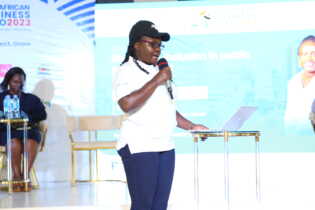
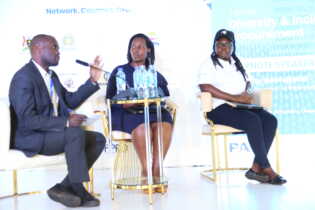
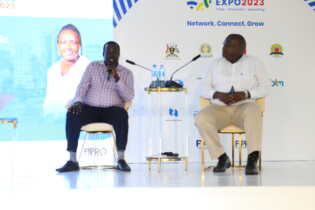
During the session, a panel discussion was held that included; Mr. Alex Okoya, Public Relations Officer, GULCA- Gulu, Mr. Ronald Emeru, KCCA, Ms. Akampurira Doreen Matsiko (Woman in Business from CompConsult Technologies ltd).
Participants discussed various strategies for promoting diversity and inclusiveness in public procurement. These included setting aside a percentage of procurement contracts for women, minorities, and marginalized groups, providing training and support to help these groups compete for contracts, and introducing measures to ensure that procurement processes are transparent and fair.
The session also highlighted some of the challenges that need to be addressed to promote diversity and inclusiveness in public procurement. These include lack of awareness among procurement officials, insufficient capacity among women and marginalized groups to compete for contracts, and inadequate monitoring and evaluation mechanisms to track the impact of inclusive procurement policies.
