


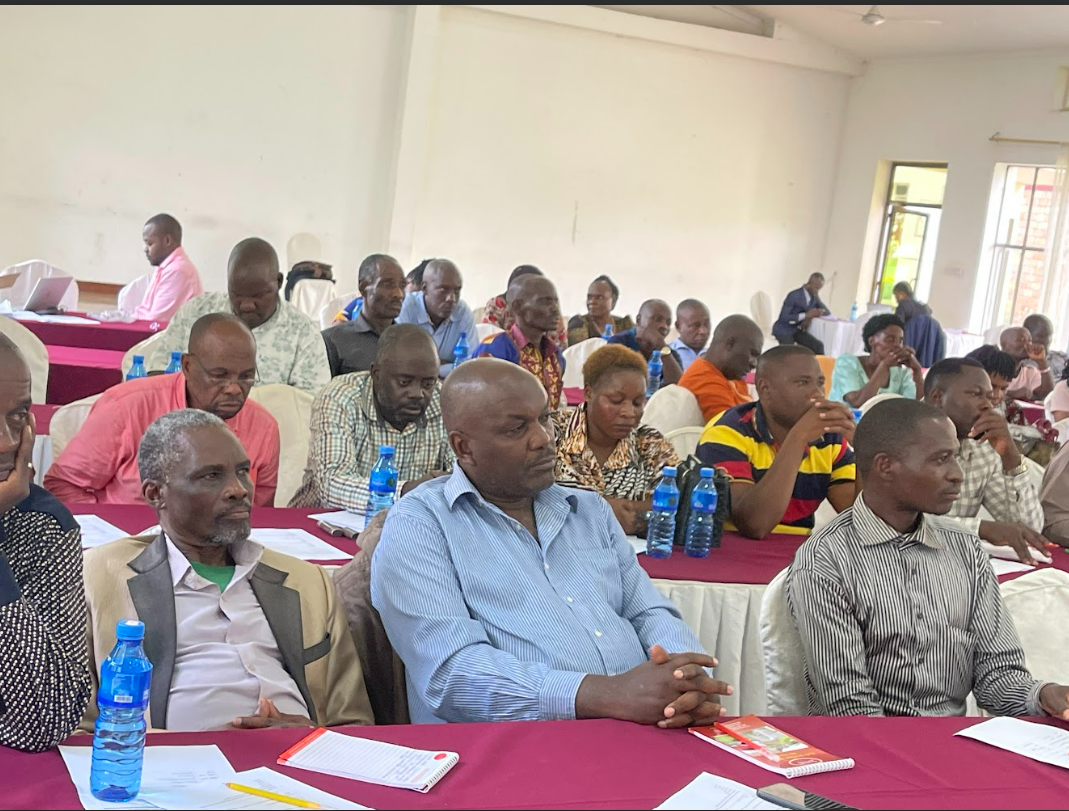
Africa Freedom of Information Center (AFIC), in collaboration with The Public Procurement Regulatory Authority (PPRA) and non-governmental organizations Omuka Hub conducted a capacity building session for leaders of various departments and political parties in Bukoba District with the aim of overseeing the 30 percent of funds provided by the Government to benefit special groups.
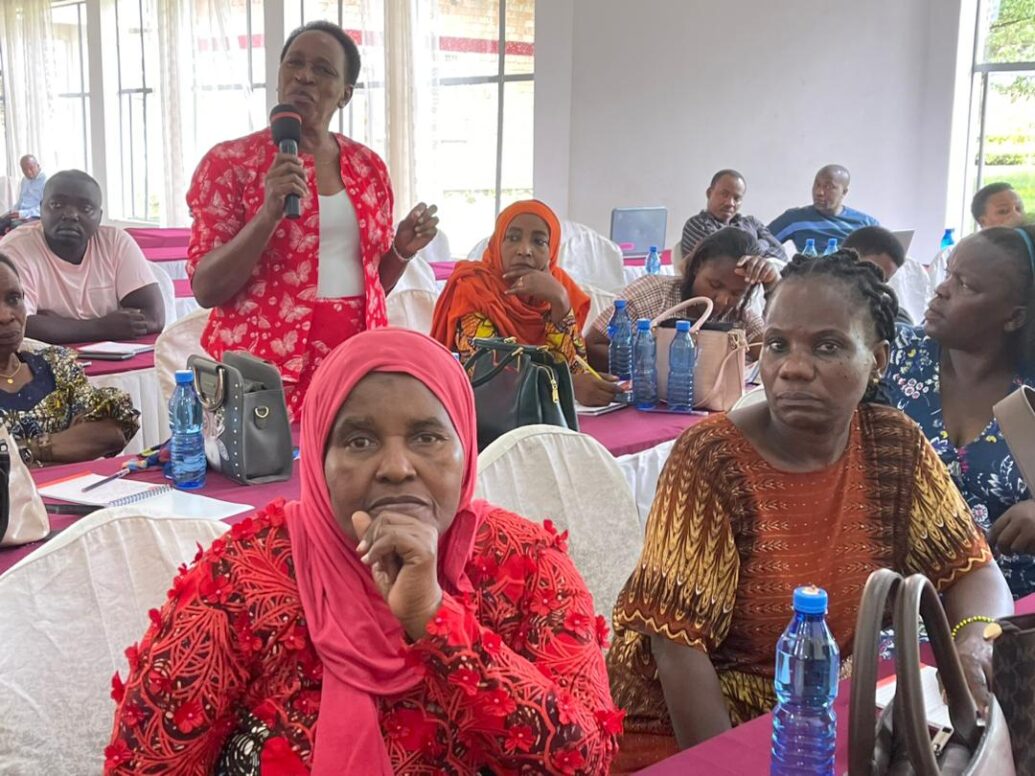
Various leaders from Bukoba District, including councilors from Bukoba Municipality, leaders of the Chama Cha Mapinduzi (CCM) party, as well as female leaders and experts from the district commissioner’s office, were trained on public procurement representing 30 percent of public funds provided by the Central Government to enable women’s groups, youth, elderly, and people with disabilities to obtain contracts for various projects in the community.
Speaking at the opening of the two-day training within Bukoba Municipality, Winfrida Samba, representing the Director of PPRA, said that the training for Kagera Region aims to shed light on forming special groups and addressing the unemployment challenge.
“In this country, every budget allocated to local authorities sets aside 30 percent of all public projects for tendering to legally registered groups for these mentioned categories. Therefore, let us seize this opportunity because in these various job tenders, women receive 10 percent of projects for implementation, youth 10 percent, elderly 5 percent, and people with disabilities 5 percent. Let’s register to benefit from government funds,” said Samba.
Neema Lugangira, Director of Omuka Hub and Member of Parliament for Special Seats from the mainland Tanzania Civil Society Organizations (NGOs), stated that Government, through the Office of the Prime Minister, is enabling people to understand public procurement at 30 percent and this exercise will extend to other districts in the region and elsewhere.
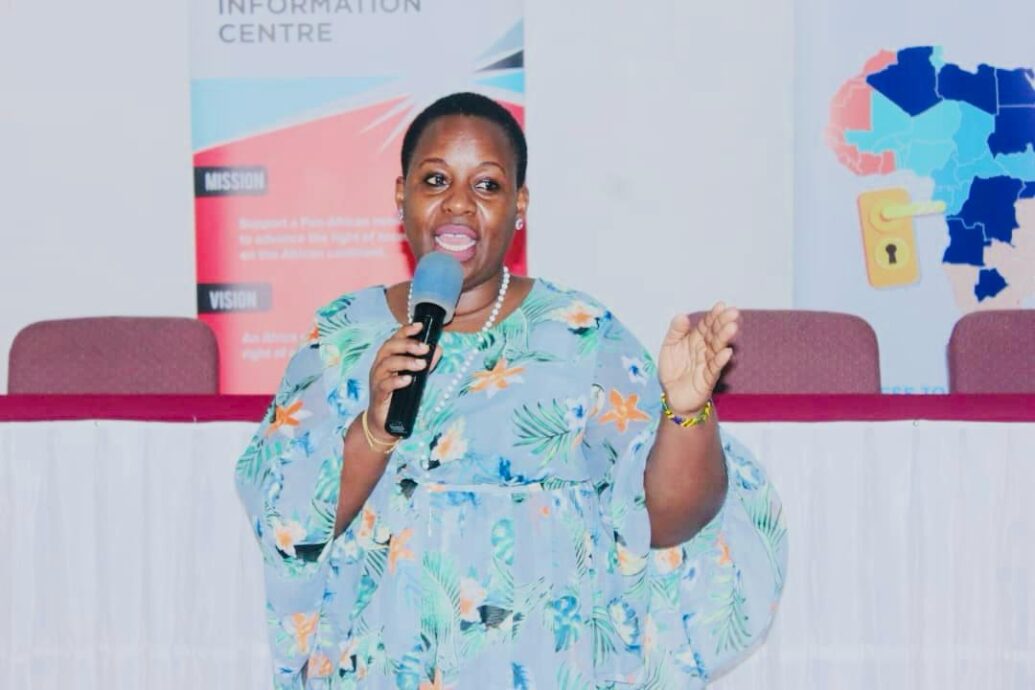
Gilbert Sendugwa, Executive Director of Africa Freedom of Information Center (AFIC) mentioned that research conducted by the organization on public procurement in government tenders across five African countries including Ethiopia, Tanzania, Uganda, Rwanda, and Kenya revealed that women’s groups applying for project tenders funded by the government for special groups constitute only one percent of the total women seeking those jobs.
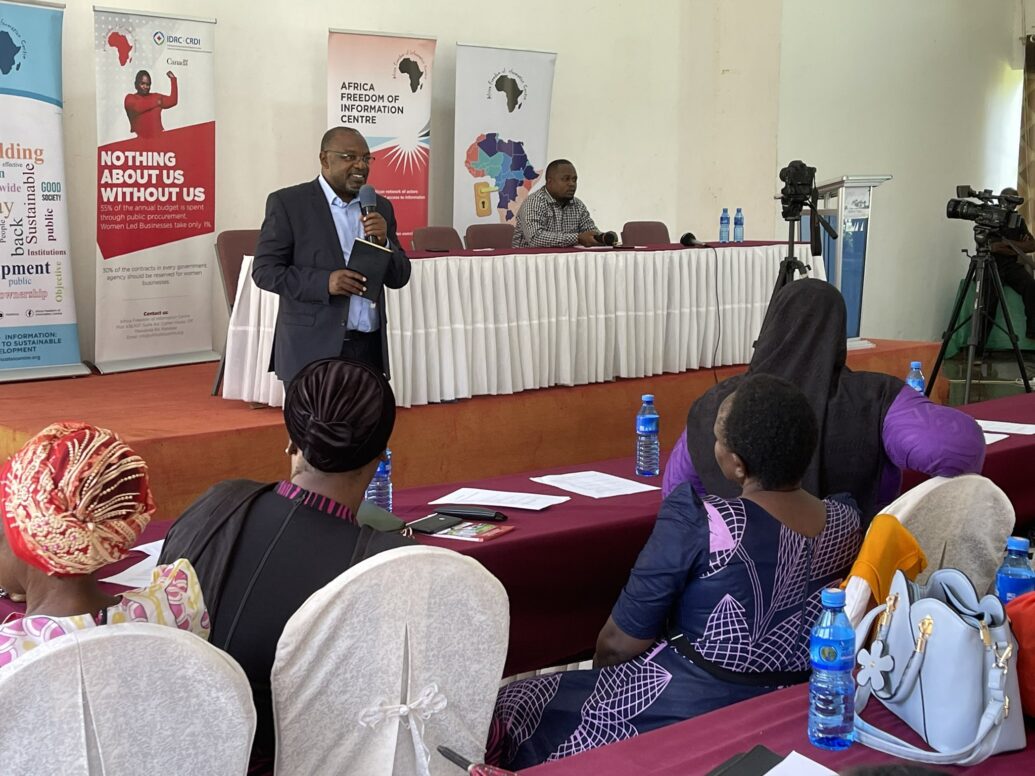
“AFIC’s desire is to see many women and youth benefiting from the 30 percent allocation since a large percentage of women resort to the council to seek a 10 percent loan without interest while other government funds are available to help many women if they come forward to register and form legally recognized groups.” Sendugwa stated.
The research also shows that women’s ability to own their businesses in Ethiopia is 36.2 percent, Uganda 38.2 percent, Rwanda 37 percent, Kenya 48 percent, and Tanzania leading with 48.1 percent, urging the trained leaders to continue overseeing the councils and awarding contracts to groups that meet the requirements to apply for these jobs to increase income in society.
