


Introduction
An informed citizenry is a pivotal force in shaping a nation’s developmental trajectory. Under
the Right to Information (RTI) Act, 2019 (Act 989) of Ghana, every citizen is empowered to
request information held by public and certain private institutions performing public functions.
Furthermore, the RTI law, a critical anti-corruption tool, aims to enhance transparency within
public administration. Simultaneously, the Local Governance Act empowers citizens to engage
actively in local government affairs, fostering accountability, transparency, and community
support for public projects.
Intervention
Despite these legal frameworks, a significant number of Ghanaians remain unaware of the
procurement processes impacting public contract performance. This lack of knowledge hinders
their capacity to advocate for or engage in discussions promoting government contract
transparency. This is critical as many corruption incidents in Ghana are procurement-related,
affecting the delivery of essential services and widening the inequality gap.
To address this, the Hewlett-funded initiative, supported by the Africa Freedom of Information
Centre (AFIC), enabled the Ghana Anti-Corruption Coalition (GACC) to train forty-one citizen
groups from two districts, forming the Local Accountability Network (LANet). The training
focused on public procurement data analysis and tracking contract execution, equipping
participants with the necessary skills and tools to request and analyze contract data within their
communities. This initiative aimed to illuminate the procurement process, identifying red flags
and empowering citizenry with actionable knowledge.
Results
Increased Infrastructure Work Rate at Techiman & Asante Akyem Central Municipalities
The consistent monitoring and the dialogue established with officials have spurred a noticeable
increase in infrastructure project completion rates. Such community-driven initiatives illustrate
the tangible benefits of empowering citizens in the fight against corruption.
Before the intervention, these citizen groups had limited understanding of the procurement
cycle and data analysis, which left them disempowered. Gathering pertinent data from district
assemblies was a daunting task due to their lack of expertise and the bureaucratic hurdles
involved.
Post-training, there has been a significant uplift in knowledge and confidence among the
participants. They now understand the procurement cycle better, can identify potential red
flags in procurement data, and feel more empowered to engage with assembly authorities,
thanks to the backing of the RTI law.
Techiman Municipality
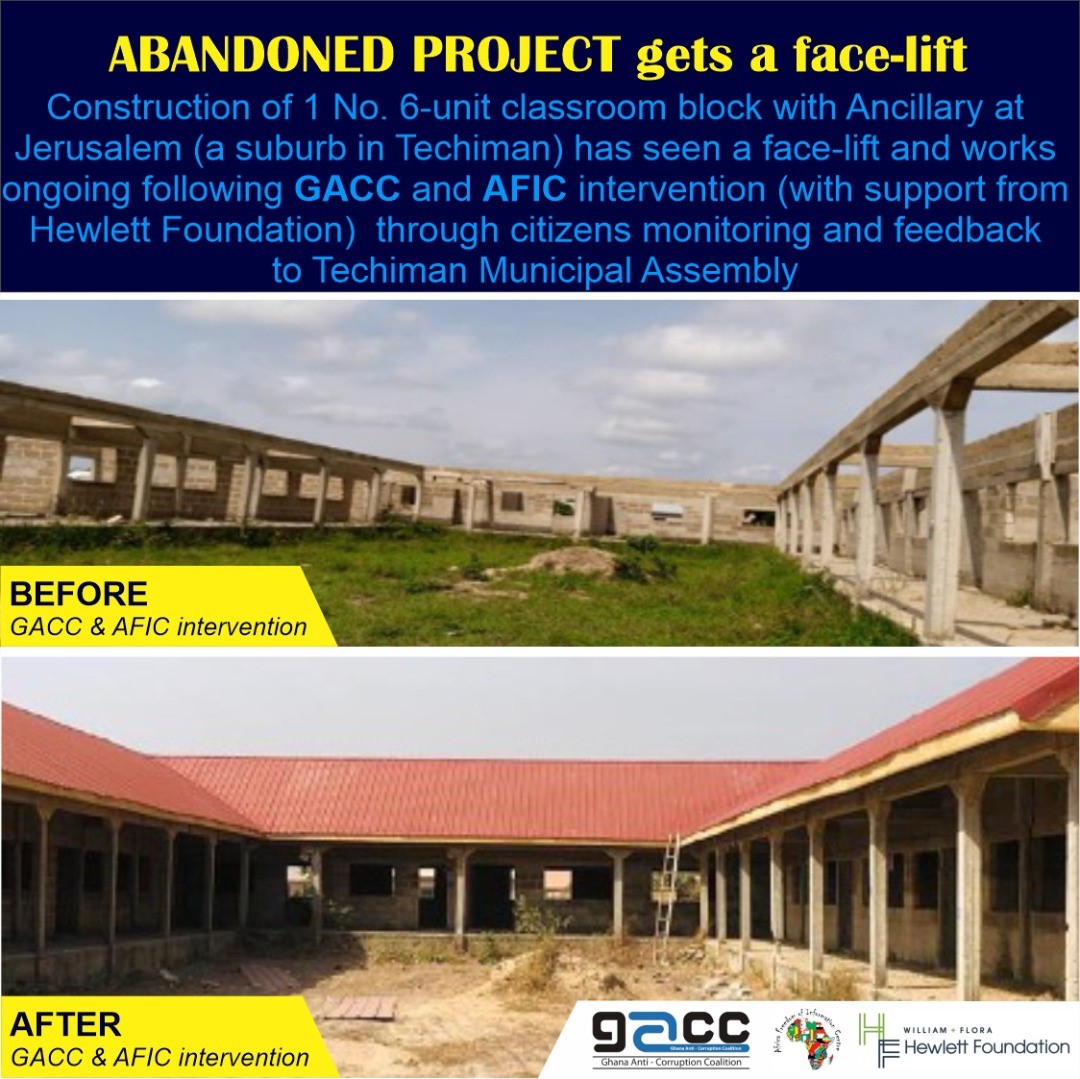
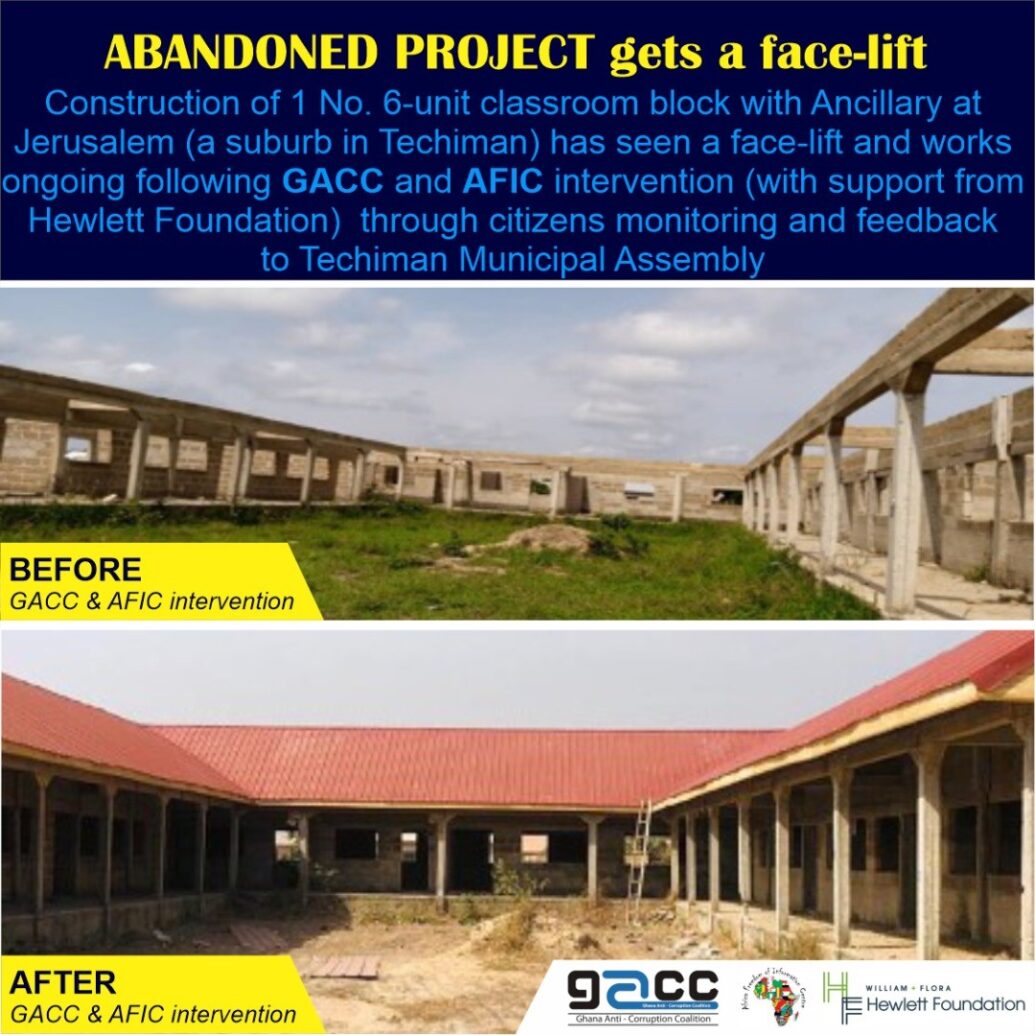
Through diligent monitoring and follow-up by LANet, significant progress has been achieved in the completion of crucial infrastructure projects in the Techiman Municipal Assembly. For instance, an ongoing project monitored during the initial phase was at a standstill at 75% completion. However, with the persistent engagement of the LANet members and their interface with the assembly officials, the project, initially delayed and stagnant, saw a resumption of activity and headed towards completion. The constructive involvement of the community monitors has not only reinvigorated the pace of development works but also exemplifies the crucial role of citizen oversight in ensuring the effective and timely execution of public projects.
Asante Akim Central Municipality
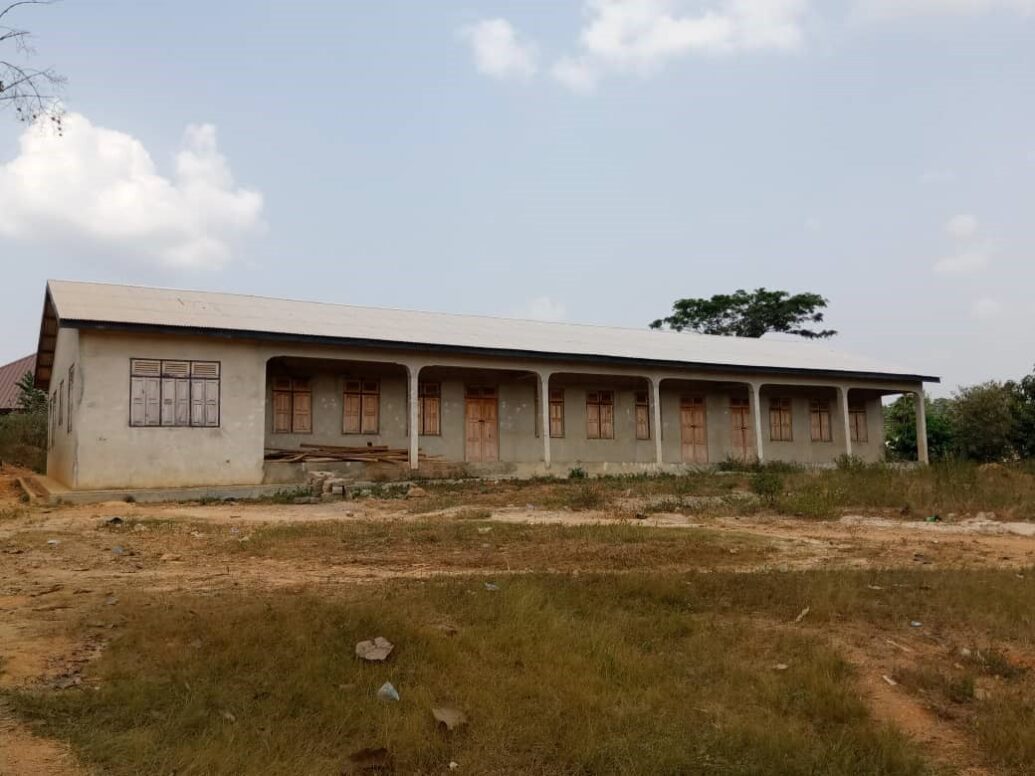
Adding to these achievements is another milestone in the Asante Akim Central municipality. There, LANet’s active engagement and persistent oversight have led to the completion of a significant educational infrastructure project, the “3-unit classroom block with office, store, staff common room, 6-seater W/C toilet with mechanized borehole and furniture” at Ohene Nkwanta. This project now stands as a beacon of the progress that can be made when local accountability is championed. Subsequent engagement by community monitors catalyzed action, resulting in the resumption of work on a previously abandoned project—a six-unit classroom block in Techiman, which is now halfway through completion.

Conclusion:
The Contracts Monitoring Training serves as a bridge between legal empowerment and practical application, significantly contributing to a culture of transparency and accountability in Ghana. As citizens become more engaged and informed, they play a crucial role in overseeing public contracts, ultimately driving national development and reducing corruption. This initiative exemplifies the transformative power of knowledge in democratizing oversight and fostering a more transparent governance landscape.
