


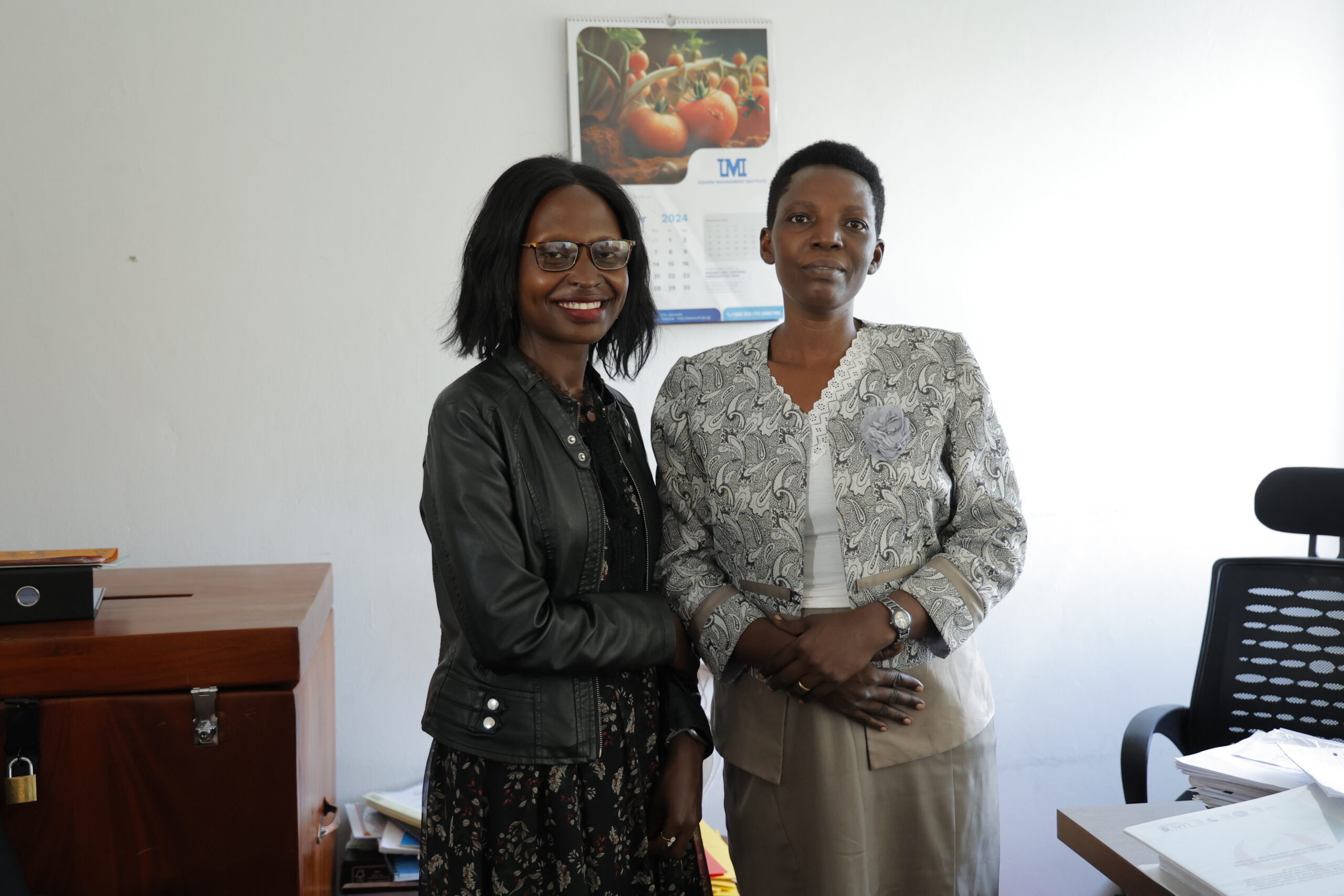
When Mwiije Dina took over as Principal Procurement Officer for Mbarara City, she brought more than technical expertise; she brought a vision for inclusion. Thanks to Uganda’s 15% reservation policy. Targeted training initiatives. Women entrepreneurs in Mbarara are no longer spectators in public procurement. They are active players, leading businesses, securing government contracts, and reshaping the local economy. But this journey hasn’t been without its challenges. Our communications team visited Dinah in Mbarara for a one-on-one interview to ascertain how the journey was going. Below is a detailed question-and-answer session.
Tell us about yourself.
I am Mwiije Dina, the principal procurement officer for Mbarara City and the head of the Public Procurement Unit (PPU).
How has the 15% reservation policy improved women’s participation in public procurement in your entity?
Over the years, we have seen significant progress in women’s participation in public procurement. The 15% reservation for special interest groups, as mandated by the PPDA law, has greatly contributed to this growth. It has enabled many women to engage in public procurement and take part in various government projects. I am hopeful. By the end of this financial year. The percentage of women participating in public procurement will reach around 30% of the budgeted entities.
Other than the policy, what factors have contributed to this growth?
One of the key drivers of this progress is the training to women entrepreneurs by AFIC and PPDA. Prior to this intervention, many women were unaware of public procurement opportunities. Thanks to these training programs. Women now realize that they can not only participate in public procurement but can also succeed in it.
In the past, women’s participation in public procurement was limited. Even though women a part of companies, they often held only a small percentage of shares—sometimes as low as 10%. Now, we are seeing a shift where they are owning a larger portion of their companies, with some holding up to 90% of the share capital. This shift is largely made possible with the intervention of AFIC and PPDA, as well as the amendments to PPDA regulations, which introduced the reservation scheme for women’s participation in public procurement.
How many women have so far gained from this policy in your entity?
As of now, Mbarara City has approximately 90 women-owned companies that are on the qualified list of providers, and they are actively participating in public procurement across various categories such as supplies, services, and construction. In Mbarara City, women entrepreneurs are awarded several contracts, particularly in areas such as cleaning services, tea supply, and security services. For example, all cleaning services in Mbarara City, including those in divisions and health centers, have been reserved for women-led businesses. This has made a significant impact, and I am proud to say that approximately 40% of the cleaning services in Mbarara City are now handled by women-owned companies.
We have also ensured that when we advertise for tenders, we clearly specify that certain procurements, such as cleaning services, are for women. Additionally, we have extended these opportunities to include people living with disabilities and the youth, further promoting inclusive participation.
What challenges persist ?
Despite these successes, there are still challenges that women face in public procurement. One of the main challenges is the lack of experience and knowledge in preparing competitive bids. Many women have not been participating in procurement processes, and as a result, their bids often lack the quality needed to compete effectively. However, I have been actively working to help them by training them on how to prepare responsive and competitive bids. I encourage them to approach my office, and I guide them through the process.
Another challenge is the lack of guidance and mentorship. Many women are unsure where to start or how to navigate the procurement process. They need continuous sensitization and encouragement. AFIC’s efforts in sensitizing women are crucial, and we need to keep reassuring them that they can succeed in public procurement. Women often have an inferiority complex, thinking that public procurement is only for men, but as I interact with them, I see them gaining confidence. They are starting to realize that they can compete, and in some cases, they outperform their male counterparts.
And progress?
A recent bidding process demonstrated the progress women have made. Women are high quality, and it was evident that much work had been done to improve their capacity. One barrier that women previously faced was the non-refundable fee that many entities charged for bidding. However, for procurements reserved for women by Mbarara City, we waived this fee, and this led to greater participation and enthusiasm among women.
Despite this progress, women still face several challenges, such as limited access to capital. Public procurement often requires substantial funding, and many women do not have the necessary capital to implement large contracts. This remains a significant hurdle for many women entrepreneurs. Additionally, the concept of public procurement is still new to many, and they need more support and training to prepare competitive bids that can stand up against larger, more established competitors.
Let’s talk a little bit more about the training; what impact did it make in your view?
Following the training sessions organized by AFIC and PPDA at Lakeview Hotel, we have seen a significant increase in women’s participation in public procurement. At least 90% of the women trained have registered their companies and started participating in public procurement, even if they have not yet won contracts with Mbarara City. This demonstrates their growing interest and willingness to engage in the process.
Is the entity doing something more to have the women participate in public procurement?
We have been making efforts to disseminate information on women’s participation in public procurement. We submit monthly reports to stakeholders such as PPDA, the Ministry of Local Government, the Ministry of Finance, and the Ministry of Lands. These reports highlight the women-owned companies that have been awarded contracts and the beneficial owners of those companies, which makes it clear that these opportunities are being directed toward women.
We also hold technical planning meetings every Monday at Mbarara City to discuss these efforts. Additionally, we make sure that women are informed about procurement opportunities through different channels, including the Mbarara City Council staff. For example, when running an advertisement for revenue collection tenders, we reserve certain slots for women and youth. While we are still working on improving our outreach, we are committed to ensuring that this information reaches all interested parties.
Any recommendations for continued success?
One of the key recommendations I would make is to continue the sensitization efforts. I strongly believe that we need to use radio talk shows to raise awareness about women’s participation in public procurement
ement. Many people, especially women, do not have access to online resources such as websites or quarterly reports. By broadcasting information on the radio, we can ensure that more people are aware of the opportunities available to them.
I would also request support in securing airtime for radio announcements. This would help spread the message that women, youth, and people with disabilities are now able to participate in public procurement. This increased visibility would encourage more women to engage in the procurement process.
With continued support and outreach, Mbarara City is not just opening doors for women — it’s building pathways for their full economic empowerment. The future is bright, but the journey continues.
Read also:
Her First Win: Margarete’s Story of Registration, Risk, and Reward in Public Procurement
